Top China Lithium Products for Global Buyers in 2026?
As we approach 2026, the global demand for lithium products is expected to surge significantly. According to a recent report by the International Energy Agency, the lithium market is projected to grow at a compound annual growth rate (CAGR) of over 20% through the decade. This expansion is fueled by the increasing adoption of electric vehicles (EVs) and renewable energy storage solutions. A substantial portion of this demand will be met by China's extensive lithium supply chain.
China holds a vital position in the global lithium products landscape. In 2023, it accounted for nearly 60% of the world’s lithium battery production. Major players in China are innovating rapidly, aiming to enhance the efficiency and sustainability of their lithium extraction and processing. However, challenges remain. Many companies are grappling with issues related to environmental impacts and supply chain disruptions.
The focus on green technologies must coincide with responsible practices. Buyers looking at 2026 should consider not only product quality but also the ethical sourcing of these vital materials. Understanding both the potential and pitfalls of lithium products will be crucial in making informed purchasing decisions in the evolving market landscape.
Overview of China's Lithium Industry Landscape in 2026
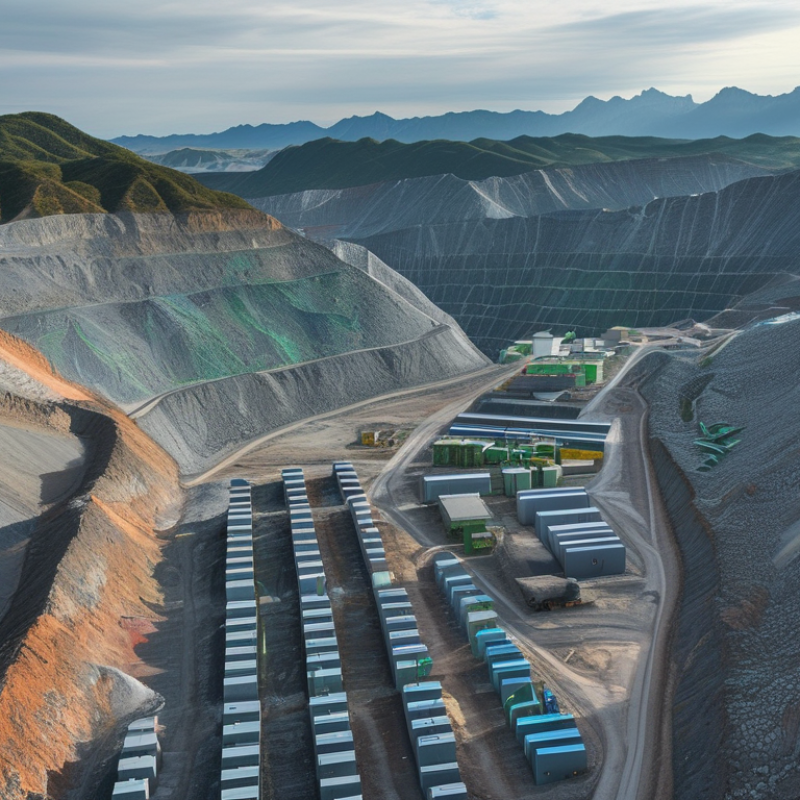
In 2026, China's lithium industry is expected to play a pivotal role on the global stage. With the rise of electric vehicles and renewable energy storage solutions, lithium demand is surging. China's production capacity has expanded significantly, driven by both domestic innovation and strategic investments. The landscape is characterized by a competitive market with various players vying for dominance.
Moreover, China's focus on sustainable mining practices is becoming increasingly prominent. This shift aims to address environmental concerns, ensuring that lithium extraction minimizes ecological impact. Local suppliers are exploring new technologies to enhance efficiency. However, challenges remain in balancing production growth with sustainability, and inefficiencies in some sectors need addressing.
As global buyers strategize their sourcing options, they must consider market volatility. Prices can fluctuate due to geopolitical tensions and supply chain disruptions. While China offers robust supply capabilities, the need for diversification in sourcing is essential. Companies worldwide are recognizing the importance of a resilient supply chain.
Key Players in China's Lithium Production and Supply Chain
China's lithium production is a crucial part of the global supply chain. In 2022, the country produced nearly 80% of the world's lithium. The demand for lithium continues to rise, driven by electric vehicles and renewable energy. By 2026, analysts predict that global lithium consumption may reach 1.6 million tons. This growth highlights the importance of China's role in the market.
Key players in the lithium supply chain include miners, refiners, and manufacturers. Companies focus on increasing efficiency and lowering costs. In the last few years, advancements in extraction technology have improved lithium yield. Some reports indicate that the average lithium extraction cost decreased by 10% in 2023. However, challenges remain. Environmental concerns around lithium mining need to be addressed. Sustainable practices are becoming increasingly important, as stakeholders demand higher ethical standards.
Investors should consider the complexities of China's supply chain. While the country holds vast reserves, geopolitical tensions may influence future production. The market appears to be maturing, but volatility persists. Companies must navigate these uncertainties to maintain a competitive edge. Overall, understanding the dynamics of China’s lithium industry is crucial for global buyers looking to position themselves effectively.
Top China Lithium Products for Global Buyers in 2026
| Product Type |
Estimated Production (in Metric Tons) |
Main Applications |
Key Export Markets |
| Lithium Carbonate |
150,000 |
Batteries, Ceramics |
North America, Europe |
| Lithium Hydroxide |
80,000 |
Batteries |
Asia, Europe |
| Lithium Spodumene Concentrate |
200,000 |
Industrial Processes |
China, Japan |
| Lithium Sulfate |
50,000 |
Batteries, Chemical Manufacturing |
Europe, North America |
Innovative Lithium Products Emerging from China for Global Markets
As the demand for lithium continues to surge, innovative products are emerging from China. The country is at the forefront of developing advanced lithium technologies. These products promise to enhance the performance of batteries and other energy storage systems. Specifically, new lithium compounds are being engineered to improve energy density, charging speed, and longevity.
One intriguing development is the use of lithium-silicon alloys. These materials show great potential in increasing battery efficiency. Early prototypes indicate a significant boost in capacity compared to traditional lithium-ion batteries. Another exciting trend is the exploration of solid-state lithium systems. They offer safety advantages and greater energy storage capabilities. However, challenges exist. The manufacturing processes are complex and costly.
Global buyers must stay informed about these advancements. Reliable sourcing is critical as well. The competitive landscape is evolving, and companies must adapt to these changes. Collaboration with local innovators can foster breakthroughs. It's essential to remain cautious while exploring these emerging products. Understanding the technology and its limitations is vital for success in this dynamic market.
Market Trends and Demand for Chinese Lithium in 2026
The demand for lithium from China is poised for significant growth in 2026. Industry analysts expect that global consumption will reach approximately 1.5 million metric tons by that year. This figure reflects a broader trend driven by the surge in electric vehicle (EV) production. As governments worldwide push for greener technologies, lithium will become more essential for battery manufacturing.
Current market trends indicate that China will remain at the forefront of lithium production. Reports project that over 70% of the world's lithium supply will originate from China. This dominance is alarming for some, as it raises concerns about supply chain dependencies. Additionally, the rise of recycled lithium suggests a movement towards sustainability. Companies are increasingly investing in technologies to reclaim lithium from used batteries, potentially easing demand pressures.
However, there are challenges to consider. The extraction processes in China face scrutiny regarding their environmental impact. Furthermore, geopolitical tensions may disrupt trade flows. These factors could lead to price volatility in the lithium market. Stakeholders must adapt to these changes to navigate the evolving landscape effectively.
Challenges and Opportunities for Global Buyers of Chinese Lithium Products
The global demand for lithium is surging, driven by the rise of electric vehicles and energy storage solutions. Chinese lithium products are at the forefront of this market. Buyers are keen to tap into this opportunity. However, challenges persist. Understanding the market landscape is key for successful engagement.
Navigating the intricacies of supply chains is essential. Buyers must confront issues related to quality assurance and sustainability. Not all suppliers adhere to the same standards, which can lead to unexpected complications. Additionally, geopolitical tensions can disrupt supply, prompting buyers to rethink their sourcing strategies.
Despite these hurdles, opportunities abound. Advanced technologies are enhancing production efficiency. Many companies are focusing on environmentally friendly extraction practices. This shift not only meets buyer expectations but also aligns with global sustainability goals. Adapting to these changes is crucial for buyers eyeing long-term partnerships in China’s lithium market.
Top China Lithium Products for Global Buyers in 2026
This chart illustrates the projected global demand for various lithium products sourced from China by the year 2026. As the electric vehicle and renewable energy markets continue to grow, the demand for lithium compounds like Lithium Carbonate and Lithium Hydroxide is expected to see significant increases.