How to Source Power Lithium for Your Business Needs?
In today’s competitive market, sourcing power lithium effectively is crucial for diverse industries, from automotive to renewable energy. Experts like Dr. Emily Tran, a leading figure in lithium battery technology, emphasize that "sourcing the right power lithium can transform business efficiencies." This statement highlights the importance of strategic sourcing in leveraging lithium's potential.
Businesses often face challenges in finding reliable power lithium suppliers. The supply chain can be complex, influenced by geopolitical factors and demand spikes. As companies strive for sustainability, it's essential to understand the nuances of lithium sourcing. Your approach should evolve continuously to address changing market dynamics.
Ensuring the quality and reliability of power lithium is paramount. Not all suppliers offer the same standards. This inconsistency can lead to supply disruptions. Thus, evaluating potential suppliers based on their track records and certifications becomes essential. Companies must reflect on their sourcing strategies and stay informed about industry trends to make informed decisions.

Understanding Lithium's Role in Power Supply for Businesses
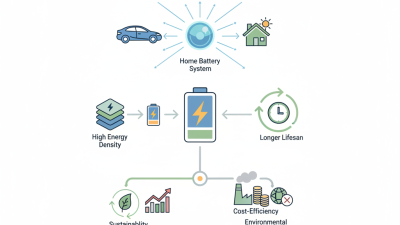
Understanding lithium's role in power supply is crucial for businesses today. Lithium-ion batteries are common in various applications. These batteries provide efficient energy storage and are lightweight. Their high energy density makes them ideal for powering electric vehicles and renewable energy systems. Many companies look to lithium to enhance their sustainability practices.
However, sourcing lithium is not without challenges. The extraction process can be environmentally taxing. Some regions face water shortages and pollution due to mining activities. Businesses need to consider these implications when choosing suppliers. Sustainable sourcing practices can help mitigate negative impacts.
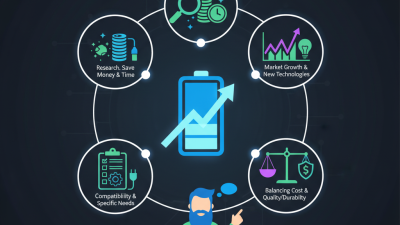
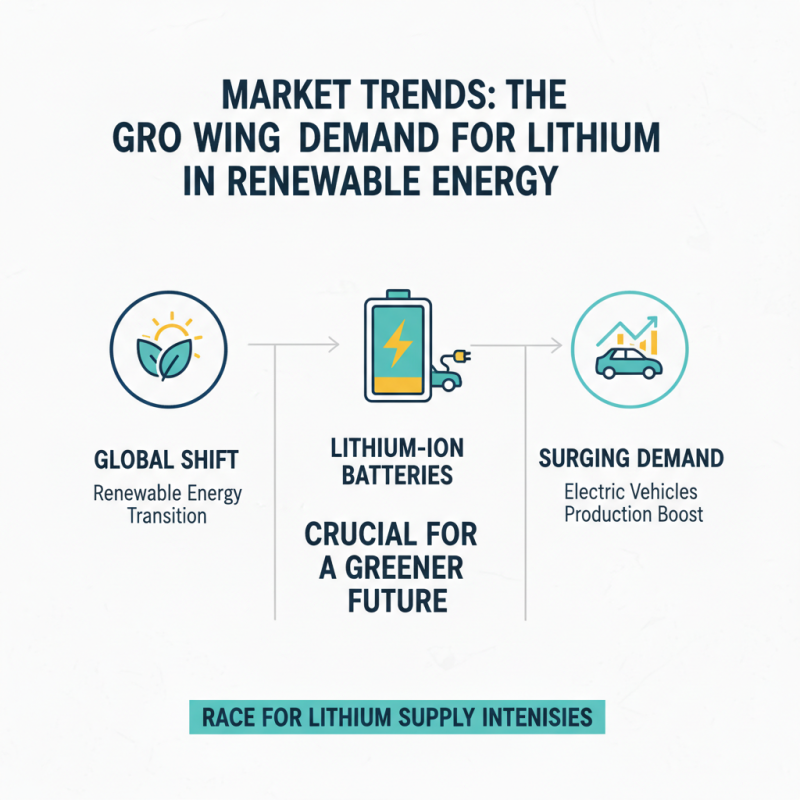
The global demand for lithium is rising. Many sectors rely on it for their operations. However, this creates competition for resources. Companies must assess their lithium needs carefully. A strategic approach can lead to reliable supply chains. Understanding local regulations and market trends is essential for long-term success.
How to Source Power Lithium for Your Business Needs?
| Dimension |
Details |
| Lithium Sources |
Hard rock mining, Brine extraction |
| Applications |
Batteries, Electric vehicles, Renewable energy storage |
| Key Suppliers |
Global mining companies, Refiners |
| Cost Factors |
Mining methods, Processing costs, Market demand |
| Sourcing Strategies |
Long-term contracts, Strategic partnerships, Recycling |
| Regulatory Considerations |
Environmental regulations, Import/export laws |
| Future Trends |
Increased demand for electric vehicles, Advances in lithium extraction technologies |
Key Factors for Sourcing High-Quality Lithium for Industry Needs
Sourcing high-quality lithium is crucial for many industries, especially those focused on renewable energy. When evaluating potential suppliers, keep an eye on their production processes. A transparent operation can often indicate quality materials. Look for suppliers that emphasize sustainable practices. They tend to provide better lithium that meets environmental standards.
Another factor to consider is the supplier's track record. Experience in lithium production can be a good benchmark for reliability. Research their market presence and gather feedback from other businesses. It’s beneficial to have conversations with current clients. These insights can reveal strengths and weaknesses in the supplier's service.
Quality assurance measures are vital. Ensure that potential suppliers have solid testing protocols. Regular quality checks can minimize defects. Sometimes, even a reputable supplier may not meet specific requirements. It's essential to maintain open lines of communication and clarify your needs. This can help address issues before they become significant problems.
Global Lithium Production by Country (2021)
Evaluating Suppliers: Criteria for Reliable Lithium Distribution Partners
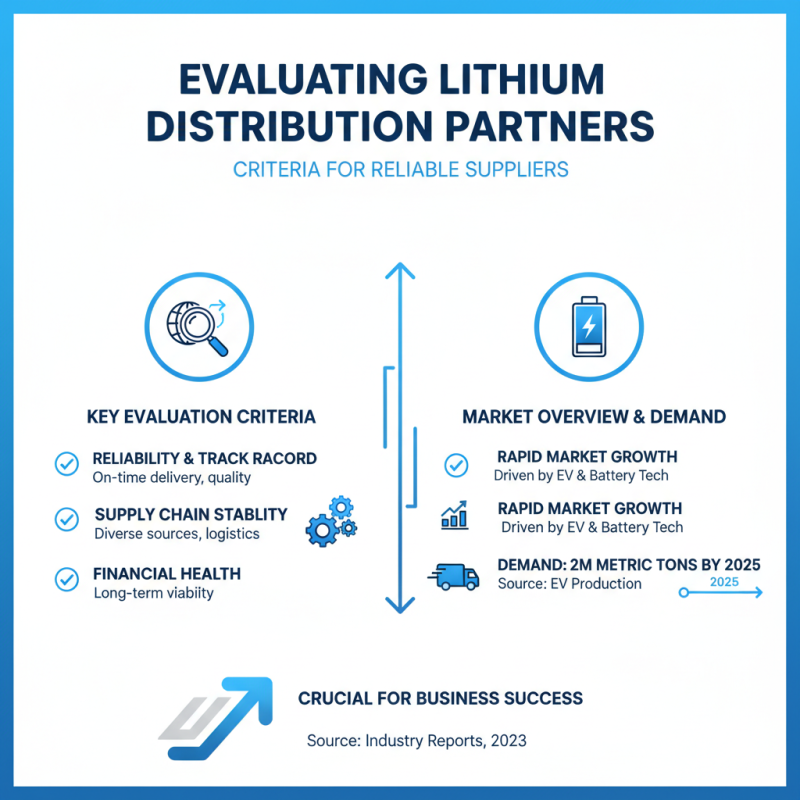
When sourcing lithium, evaluating suppliers is crucial. Reliable distribution partners can significantly impact your business. The lithium market has seen rapid growth, with demand projected to reach 2 million metric tons by 2025, driven by electric vehicle production and battery technology.
Assessing a supplier involves examining their operational history. A partner with a proven track record in lithium distribution has resilience against market fluctuations. Check their certifications. Meeting international standards shows commitment to quality. According to the International Lithium Association, over 80% of users prioritize suppliers with recognized industry certifications.
Pricing is another critical factor. While competitive pricing is important, it shouldn’t come at the expense of quality. Suppliers with lower prices may compromise on product integrity. Transparency in pricing structures is essential. Ensure suppliers provide clear documentation of liabilities and warranties. This transparency fosters a trusting relationship and can safeguard your investment. Utilize metrics—like delivery times and customer feedback—to gauge reliability. Conducting thorough research pays off, but it can sometimes reveal inconsistencies in supplier promises. This demands a careful approach to supplier selection.
Cost Analysis: Budgeting for Lithium Procurement in Business Operations
When budgeting for lithium procurement, it's essential to consider various factors that influence costs. The price of lithium can fluctuate significantly, influenced by market demand and supply chain dynamics. Businesses must analyze current market trends to anticipate these changes. A detailed evaluation of your specific needs is vital. Understanding how much lithium you require for production can help to avoid over-purchasing, which ties up capital unnecessarily.
Next, consider the sourcing options available. Engaging with multiple suppliers can foster healthy competition, potentially lowering prices. It's important to assess the reliability of these suppliers. Not all suppliers provide the same quality or consistency. Documenting past performance can guide future decisions. Additionally, factor in shipping costs and potential tariffs. These hidden costs can add up and affect your overall budget.
Lastly, keep in mind that lithium procurement is not always straightforward. Unforeseen circumstances—like political changes or environmental regulations—can lead to price spikes. Continuous monitoring and agile financial planning are crucial. Reflecting on past procurement strategies often reveals areas for improvement. Adapting to new information can lead to better budgeting for future needs.