China Top Lithium Batteries Suppliers for Global Buyers?
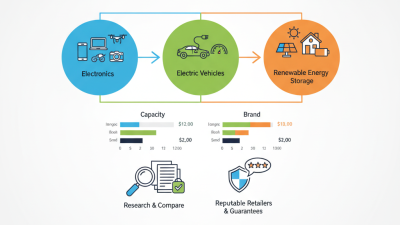
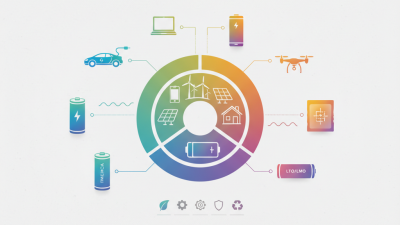
As the demand for lithium batteries surges, China stands out as a leading supplier in the global market. Many industries rely heavily on these batteries for electric vehicles, renewable energy storage, and consumer electronics. Understanding the top suppliers in China can greatly benefit global buyers. This knowledge influences choices and ensures access to high-quality products.
Chinese manufacturers are known for innovation and efficient production. They often offer competitive pricing, making them attractive options. However, the rapid growth of this market also raises questions about sustainability and quality assurance. Prospective buyers must weigh the benefits against potential risks. Due diligence is key when selecting suppliers.
With a landscape that is constantly evolving, global buyers should stay informed. The focus on lithium batteries reflects broader trends in technology and environmental awareness. Careful consideration of supplier capabilities will lead to better business decisions. Understanding these dynamics is essential for anyone looking to thrive in this competitive field.
Overview of China's Lithium Battery Industry
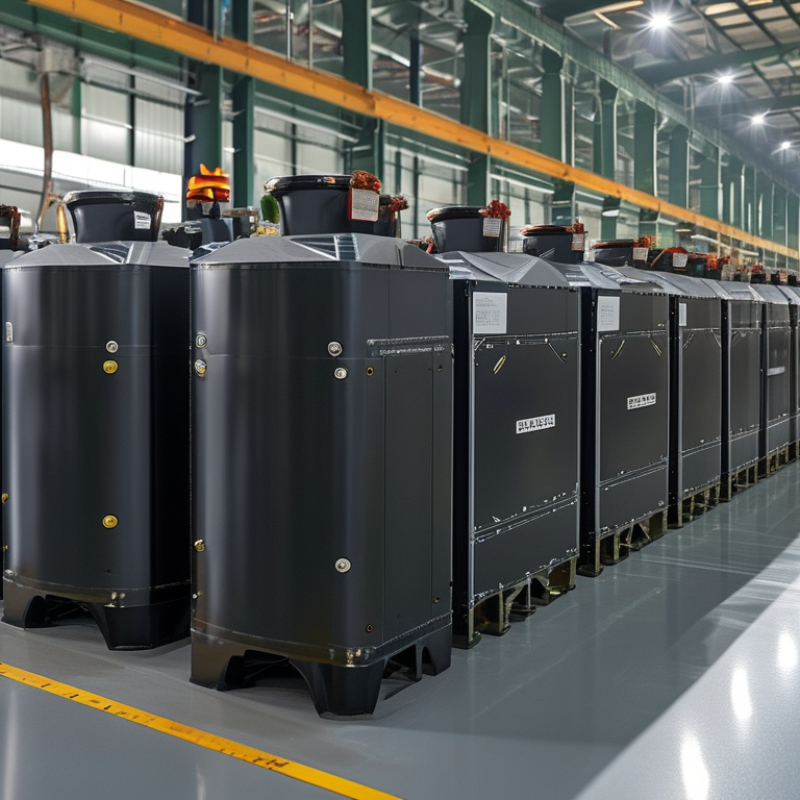
China has rapidly established itself as a leader in the lithium battery industry. The country's vast resources and advancements in technology have contributed to this growth. Many manufacturers prioritize sustainability in their production processes. This focus is essential as the global demand for electric vehicles and renewable energy solutions continues to rise.
However, challenges persist within the industry. Some manufacturers struggle with quality control and environmental compliance. Reports indicate that not all factories adhere to strict regulations. This can lead to inconsistencies in battery performance and safety. Buyers must carefully evaluate suppliers to ensure reliability and trustworthiness. A comprehensive understanding of the market landscape is crucial for informed decisions.
In addition, the supply chain is often affected by geopolitical tensions and trade policies. This creates uncertainty for global buyers. Evaluating potential partners requires thorough research and a consideration of their operational practices. Transparency and accountability remain critical factors for success in this evolving market.
Leading Lithium Battery Manufacturers in China
China has emerged as a powerhouse in lithium battery manufacturing. The country's strategic investments in technology and research have enhanced production capabilities. This is crucial as demand for electric vehicles and renewable energy storage surges. Many manufacturers prioritize quality and innovation, striving for efficiency in their processes.
However, not all manufacturers maintain the same standards. Some lack adequate quality control, leading to inconsistencies. Buyers must conduct thorough research before partnering with suppliers. Understanding production processes and sourcing materials is essential. While many companies offer competitive pricing, the long-term reliability of their products varies.
The future of lithium batteries in China is promising but complex. New technologies are constantly evolving, creating both opportunities and challenges. Sustainability remains a hot topic, as the industry addresses the environmental impact of battery production. As buyers seek reliable partners, focusing on transparency and ethical practices becomes imperative.
Key Factors Driving China's Lithium Battery Supply Chain
China has emerged as a key player in the global lithium battery supply chain, driven by various factors. According to a report from the International Energy Agency, global demand for lithium batteries is expected to increase by 30% annually through 2030. This surge is largely due to the growth of electric vehicles (EVs) and renewable energy storage systems. China currently dominates lithium battery production, accounting for over 70% of the global market share. This impressive statistic highlights the country's foundational role in meeting the world's energy transition needs.
One driving factor behind China’s competitive edge is its extensive lithium resource network. Chinese companies have invested heavily in lithium mining and processing, securing critical mineral supply chains. Additionally, the Chinese government supports this industry through strategic policies and funding. A recent analysis revealed that battery manufacturers in China enjoy lower production costs compared to their counterparts in other regions. This is attributed to efficient supply chains and strong partnerships with raw material suppliers, though concerns about sustainability and environmental impact persist.
Despite these strengths, challenges remain. Quality control and technological advancements are imperative for maintaining market leadership. As competition intensifies globally, Chinese suppliers must innovate continuously. Addressing issues such as end-of-life battery recycling and resource depletion will be essential for future growth. The evolving landscape presents both opportunities and obstacles for stakeholders within China's lithium battery sector.
Global Demand for Chinese Lithium Batteries
The global demand for lithium batteries continues to surge, driven by the rapid expansion of electric vehicles (EVs) and renewable energy storage. In 2022, the lithium-ion battery market was valued at approximately $44.2 billion, with projections estimating it will reach $119.4 billion by 2027. This growth underscores China's pivotal role in the lithium battery supply chain.
Chinese manufacturers account for over 75% of the world’s lithium battery production capacity. This dominance is largely attributed to extensive investment in battery technology and a robust supply chain. The ongoing shift towards sustainable energy solutions enhances China's position. Furthermore, in 2023, demand for lithium batteries in the EV sector alone is expected to spike by nearly 30%.
However, challenges remain within the industry. Supply chain disruptions and raw material shortages have been frequent. For instance, fluctuations in lithium prices can impact battery production costs significantly. Manufacturers need to navigate these obstacles while striving for sustainability. Balancing production efficiency and environmental concerns presents a complex challenge that continues to evolve in this dynamic sector.
Global Demand for Chinese Lithium Batteries
Future Trends in China's Lithium Battery Market
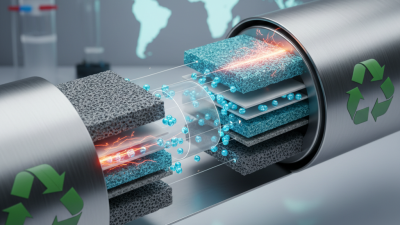
The lithium battery market in China has been experiencing significant growth. According to industry reports, China accounted for 64% of the global lithium-ion battery production in 2022. This dominance stems from rapid advancements in technology and manufacturing capabilities. Emerging trends indicate a push towards sustainable battery solutions. Recycling lithium batteries can reduce raw material dependency, marking an essential step for manufacturers.
Research predicts that by 2025, the global demand for lithium batteries could exceed 1,200 GWh. Increased electrification in transportation and renewable energy storage drives this demand. However, the industry faces challenges, including supply chain vulnerabilities. The reliance on specific minerals raises sustainability concerns. An increasing focus on ethical sourcing can influence future market dynamics.
In light of these trends, China's lithium battery suppliers must adapt. Innovations in energy density and charging speed are critical to maintaining competitiveness. As regulations evolve, compliance will be essential for market access. Emphasizing transparency in sourcing practices may enhance the industry's credibility. Overall, while the future appears promising, critical gaps remain to be addressed.