Why is a lithium pack Essential for Modern Technology?
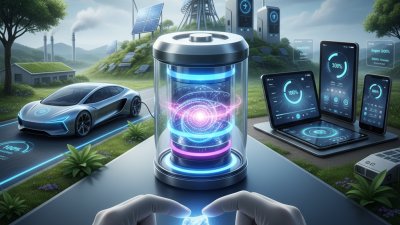
In the rapidly evolving landscape of technology, the "lithium pack" stands out as a crucial component. Dr. Emily Chen, a leading expert in energy storage, emphasizes, "A lithium pack is the lifeblood of modern devices." Today, our smartphones, electric vehicles, and renewable energy systems rely heavily on these packs, driving innovation and efficiency.
Lithium packs are not just batteries; they are the heart of technological advancements. These components power devices that connect us, entertain us, and even save our planet. Each lithium pack contains a complex chemistry that enables high energy density and quick charging. Yet, they come with challenges, such as environmental impacts and safety concerns.
The world is increasingly dependent on lithium packs. Still, the industry must reflect on sustainability and ethical sourcing. As we embrace this technology, questions arise about its long-term viability. Is our rush for innovation overshadowing responsible use? Engaging with these concerns helps pave the way for a more sustainable future.

The Role of Lithium in Energy Storage Solutions
Lithium has emerged as a key component in energy storage solutions. The global demand for lithium-ion batteries is increasing rapidly, driven by the rise of electric vehicles and renewable energy systems. According to the International Energy Agency, global lithium demand could reach 2 million metric tons by 2030. This surge highlights lithium's crucial role in sustainable technology.
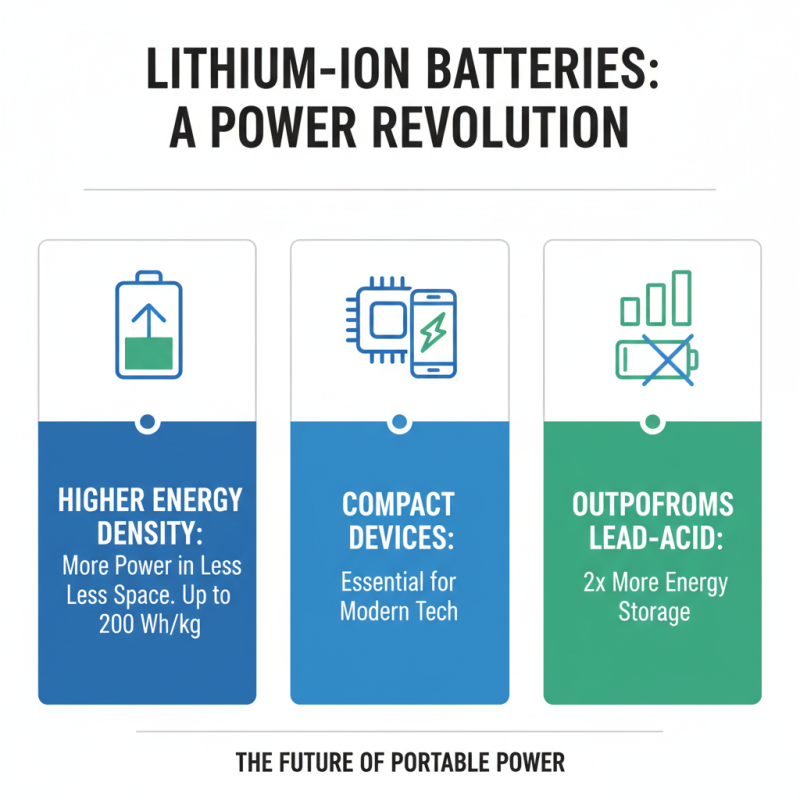
In energy storage, lithium batteries outperform traditional lead-acid options. They offer higher energy density, longer cycle life, and lower self-discharge rates. For instance, lithium-ion batteries typically have a lifespan of about 2,000 charge cycles, compared to only 500 for lead-acid batteries. This efficiency can dramatically improve the performance of solar energy systems, making them more viable for everyday use.
However, the lithium market faces challenges. Mining practices often raise ethical concerns. Environmental impacts from extraction can be significant, with water usage being a critical issue. As more companies seek sustainable practices, the conversation around responsible lithium sourcing is gaining momentum. Addressing these issues is vital for the industry’s future growth and integrity. The quest for sustainable solutions continues, and the journey isn't without its bumps.
Why is a lithium pack Essential for Modern Technology? - The Role of Lithium in Energy Storage Solutions
| Dimension |
Description |
Importance |
Applications |
| Energy Density |
Amount of energy stored per unit volume or weight |
Higher energy density allows for lighter and more compact batteries |
Electric vehicles, portable electronics |
| Cycle Life |
Number of complete charge and discharge cycles a battery can undergo before its capacity falls below a certain level |
Longer cycle life enhances the longevity of devices and reduces waste |
Smartphones, grid storage |
| Charge Rate |
Speed at which a battery can be charged |
Faster charging leads to improved convenience for users |
Electric vehicles, fast-charging stations |
| Temperature Stability |
Performance of a battery across different temperatures |
Enhanced safety and reliability in varying conditions |
Consumer electronics, electric vehicles |
| Environmental Impact |
Effect of battery production and disposal on the environment |
Development of recycling programs can reduce carbon footprint |
Renewable energy storage, hybrid systems |
Advantages of Lithium Packs Over Traditional Batteries
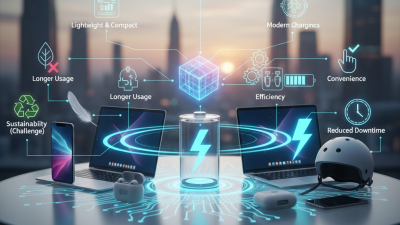
Lithium packs are transforming modern technology. They offer significant advantages over traditional batteries. Lithium-ion technology has a higher energy density. This means they can store more energy in a smaller space. Reports indicate that lithium batteries can hold up to 150-200 Wh/kg, compared to 100 Wh/kg for lead-acid batteries. This is vital for today's compact devices.
Longevity is another critical factor. Lithium packs can last over 2,000 charge cycles. In contrast, traditional batteries often fail after just 300 cycles. This ensures lower replacement costs and less waste. For tech users, this means fewer trips to the store and less environmental impact.
Tips: When choosing a battery, always check the cycle life. A higher cycle life can save you money in the long run. Also, consider the energy density when space is limited. It might not be easy to switch all devices to lithium. However, even small changes can lead to a more efficient lifestyle. Embracing lithium technology requires patience and adaptation, but the results are often worth it.
Applications of Lithium Packs in Consumer Electronics
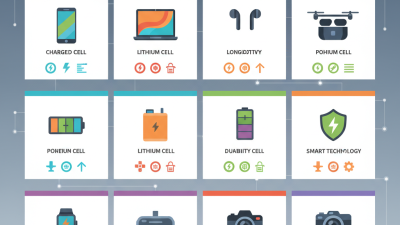
Lithium packs have transformed the landscape of consumer electronics. They power devices we use daily, including smartphones, tablets, and laptops. The compact size of these packs allows for thinner designs. Their lightweight nature enhances portability, making devices easier to carry.
However, not everything is perfect. Battery life can vary significantly among devices. Some users experience rapid depletion, leading to frustration. Over time, lithium packs can lose their efficiency. Many consumers notice their electronics need frequent charging. This inconsistency raises questions about longevity and performance.
Safety is another concern. Lithium packs can overheat, posing risks in some conditions. Users must handle them with care. Although advancements are made, incidents do occur. This highlights the need for ongoing innovation in battery technology. Manufacturers are working hard to improve reliability and efficiency continuously. Yet, the journey of lithium packs in consumer electronics is far from complete.
Applications of Lithium Packs in Consumer Electronics
The Impact of Lithium Technology on Renewable Energy Systems
The rise of lithium technology plays a crucial role in shaping renewable energy systems. Solar panels and wind turbines generate clean energy, but storage is vital. Lithium-ion batteries are efficient storage solutions. They capture energy during sunny or windy days and release it when needed, ensuring a steady energy supply.
However, relying heavily on lithium batteries raises concerns. The mining process can harm the environment. For example, water usage in lithium extraction often leads to depletion of local resources. Also, recycling these batteries remains a challenge. Many end up in landfills, causing waste issues. Innovations in recycling methods are necessary.
Tip: Always look for ways to minimize energy consumption. Simple practices, like using energy-efficient appliances, can make a difference.
Another concern lies in battery lifespan. Over time, their performance declines. Frequent replacements can become costly and create more waste. Investing in higher-quality batteries and understanding their lifecycle can help.
Tip: Educate yourself on battery care to extend lifespan. Simple actions like avoiding extreme temperatures can be beneficial.
Lithium technology is a double-edged sword. It brings efficiency but requires responsible management. Balancing the benefits with the environmental impact is essential for a sustainable future.
Future Innovations in Lithium Pack Development and Usage
The future of technology heavily relies on lithium pack innovations. These energy storage systems are crucial for devices we use daily. Electric vehicles, smartphones, and renewable energy sources all benefit from lithium packs. They offer high energy density and longer life cycles, which are vital for efficient operation.
New developments focus on improving safety and sustainability. For instance, recycling lithium from old batteries can reduce the need for newly mined resources. This is a step toward a more circular economy. Researchers are exploring solid-state batteries. These offer higher capacity and are less prone to fire hazards. Yet, challenges remain in production and scalability.
Innovation also addresses environmental impacts. Efficient manufacturing processes are essential. Producing lithium packs impacts both land and water resources. Therefore, tech companies must ensure ethical practices. The shift toward lithium technology could lead to significant improvements in energy storage. However, it's essential to evaluate its long-term effects on our planet.
As we push forward, balancing progress and responsibility will be critical.