What is a vehicle power inverter and how does it work?
A vehicle power inverter is a vital tool for many travelers. It converts DC power from your car battery into AC power. This allows you to use various electronics on the go. According to industry expert Mark Turner, “A vehicle power inverter turns your car into a mobile power station.”
When you think about your road trips, consider how essential these devices are. They enable charging devices like laptops and cameras. Imagine needing to charge your phone for navigation, but the car battery is your only source. Yet, not all inverters function well in every scenario. Some may overheat or fail under heavy loads.
While vehicle power inverters provide convenience, they need careful handling. Poor quality inverters can lead to damaged electronics. It's crucial to choose the right inverter for your needs. The right choice can make travel easier and more enjoyable. However, even with the best options, issues can arise unexpectedly. Awareness and caution are key when using a vehicle power inverter.
What is a Vehicle Power Inverter?
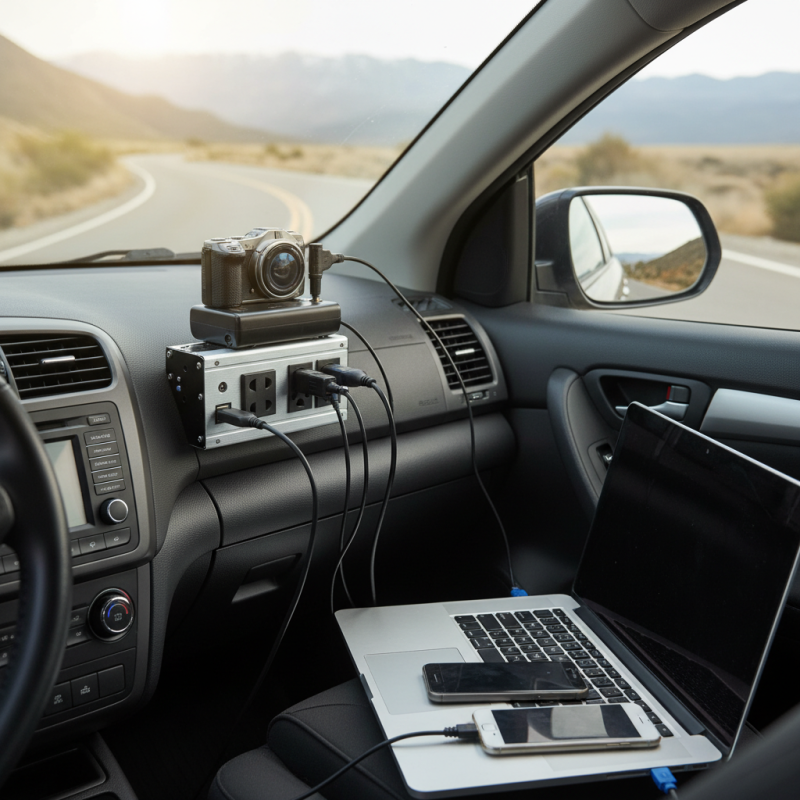
A vehicle power inverter is a device that converts direct current (DC) from a car's battery into alternating current (AC) for powering appliances. This technology is crucial for those who want to use standard electrical devices while on the road. For instance, camping enthusiasts often rely on these inverters to power portable fridges or charge laptops. It can be a game-changer for anyone needing power away from home.
The market for power inverters is growing, with experts predicting a compound annual growth rate of 5% through the next five years. This reflects the increasing demand for mobile power solutions. Many inverters offer a wide range of wattage options, typically from 150 watts to over 3000 watts. However, using an inverter beyond its rated capacity can lead to overheating or failure. This potential risk highlights the importance of understanding the specifications of your inverter.
Many users overlook the inverter's efficiency rating. Inverters often operate at around 90-95% efficiency. Poor connections or extended use can decrease this efficiency. Users should regularly check their connections and the inverter's condition to maintain optimal performance. Not all inverters are created equal, and some may fail to meet expectations despite initial appearances.
Power Consumption of Common Devices Powered by Vehicle Inverters
The Functionality of a Vehicle Power Inverter
A vehicle power inverter is an essential device for converting DC power from a car battery into usable AC power. This is crucial for powering electronic devices while on the road. With it, you can run small appliances and charge various gadgets. The inverter takes the direct current from your vehicle and transforms it, allowing you to use standard plug-in devices.
To understand its functionality, consider how it operates. Inside the inverter, electronic circuits perform the necessary conversion. These circuits manipulate the flow of electricity, turning low-voltage DC into high-voltage AC. This process allows for compatibility with household items, such as laptops or televisions. It's fascinating how this translates vehicle energy into a portable power source.
Tips: Always check the wattage of your devices before plugging them in. This ensures you do not overload the inverter. Also, consider the inverter's efficiency. Some models waste energy during conversion. It's smart to review your options carefully, making sure it meets your power needs.
Be mindful of limitations. While these inverters can power many devices, excessive use can strain your vehicle’s battery. You may find your battery draining faster than expected. Ensure you understand your vehicle's electrical system fully. Regular checks can help prevent unexpected failures while you're on the road.
Types of Vehicle Power Inverters and Their Applications
Vehicle power inverters are essential for transforming DC battery power into AC electricity. This allows various devices to work while on the road. There are several types of power inverters, each serving unique applications.
Modified sine wave inverters are common. They are affordable and suitable for simple electronics. However, they offer lower efficiency and can cause issues with sensitive devices. Pure sine wave inverters produce cleaner power. They mimic the electricity supplied by utility companies, making them ideal for high-end electronics like laptops and medical equipment.
When choosing an inverter, consider its wattage. A higher wattage inverter can power more devices simultaneously. For example, if you plan to run a coffee maker and a microwave, 2000 watts may be necessary. Also, pay attention to surge ratings. Many devices require extra power during startup.
Tips: Ensure the inverter is compatible with your vehicle. This step prevents potential damage to both the inverter and the device. Regularly inspect electrical connections for wear and tear. This helps maintain performance levels and enhances safety. Stay informed about the latest technology developments in the inverter market.
How to Install a Vehicle Power Inverter Safely
Installing a vehicle power inverter can be a practical way to power your devices on the go. However, safety should always come first during your installation process. Start by choosing a suitable location for the inverter. Ensure it’s away from heat sources and has plenty of airflow. A cramped space can lead to overheating. Use a sturdy mount to secure it. This can prevent mishaps while driving.
When connecting the inverter to your vehicle’s battery, it’s crucial to use appropriate gauge wires. Thicker wires can handle more power. Check the specification manuals for guidance. Avoid using wires that are too thin; this can cause overheating and fires. Install a fuse near the battery for added protection. This small step can save your vehicle from serious damage.
Tips: Always wear gloves and safety glasses when working with batteries. Double-check all connections before powering on. It’s easy to make mistakes in a hurry. Test the inverter in a safe environment before your trip. Remember, it’s better to take your time than to rush. An incorrectly installed inverter can lead to unexpected issues. Reflect on your installation process. There’s always room for improvement.
Benefits and Limitations of Using Vehicle Power Inverters
Vehicle power inverters transform DC electricity from a car’s battery into AC electricity. This feature allows drivers to power various electronic devices. Many people use inverters to charge laptops or run small appliances. However, while this technology offers great convenience, it has its benefits and limitations.
One of the main benefits is versatility. Inverters can support devices that require AC power. They give you the ability to use your favorite gadgets on the go. However, powering multiple high-demand devices can strain your vehicle’s battery. It may lead to unexpected power failures. This risk means careful planning is essential when using inverters.
Another limitation is efficiency. Some inverters waste energy during the conversion process. This inefficiency can drain your vehicle’s battery faster than expected. Moreover, not every power inverter is designed for heavy-duty use. Finding the right model for your needs can be challenging. It requires research and attention to detail.
What is a vehicle power inverter and how does it work? - Benefits and Limitations of Using Vehicle Power Inverters
| Dimension | Details |
| Type of Inverter | Modified Sine Wave, Pure Sine Wave |
| Input Voltage | 12V DC (Most vehicles) |
| Output Power | 100W to 3000W or more |
| Common Applications | Charging devices, powering appliances, running electronics |
| Benefits | Convenience, versatility, enables use of household appliances in vehicles |
| Limitations | Power limitations, potential battery drain, heat generation |
| Safety Features | Overload protection, short circuit protection, thermal shutdown |
| Sizing Guidelines | Choose based on total wattage of devices |