Top Types of Lithium Battery and Their Applications?
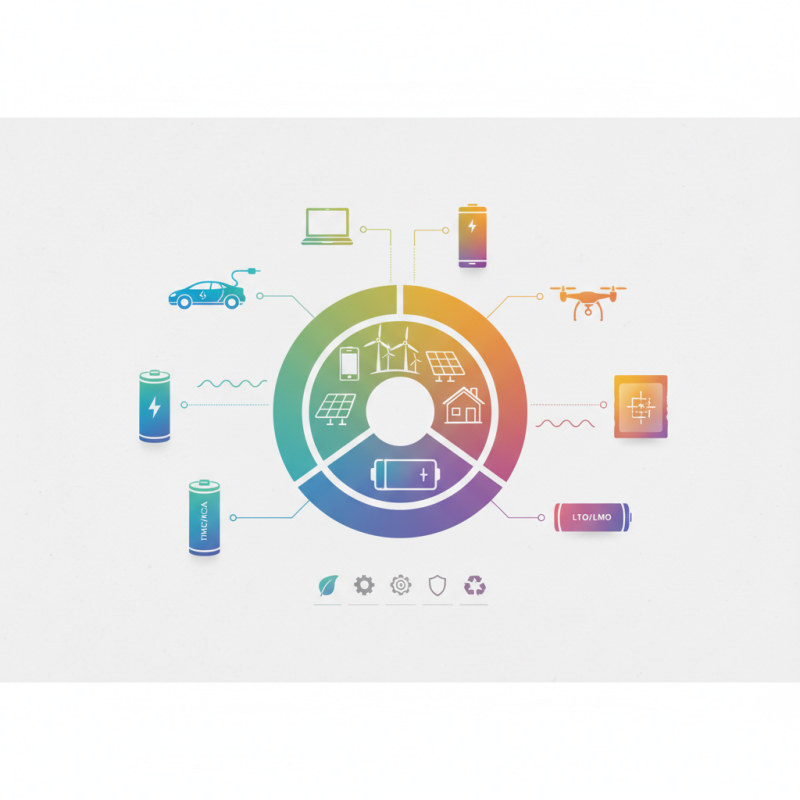
Lithium batteries are essential in our modern world. Their applications span across various industries, showcasing their versatility. From powering electric vehicles to storing renewable energy, they play a crucial role.
Numerous types of lithium batteries exist, each serving unique purposes. For instance, lithium-ion batteries are commonly found in electronics. Their lightweight design and high energy density make them ideal. However, some challenges arise, such as safety concerns and environmental impacts linked to production.
Understanding the top types of lithium batteries can aid businesses and consumers. This knowledge is vital in making informed choices. As new technologies emerge, we must reflect on the sustainability of these energy sources. The path forward requires innovation and responsible practices in lithium battery usage.
Overview of Lithium Battery Types
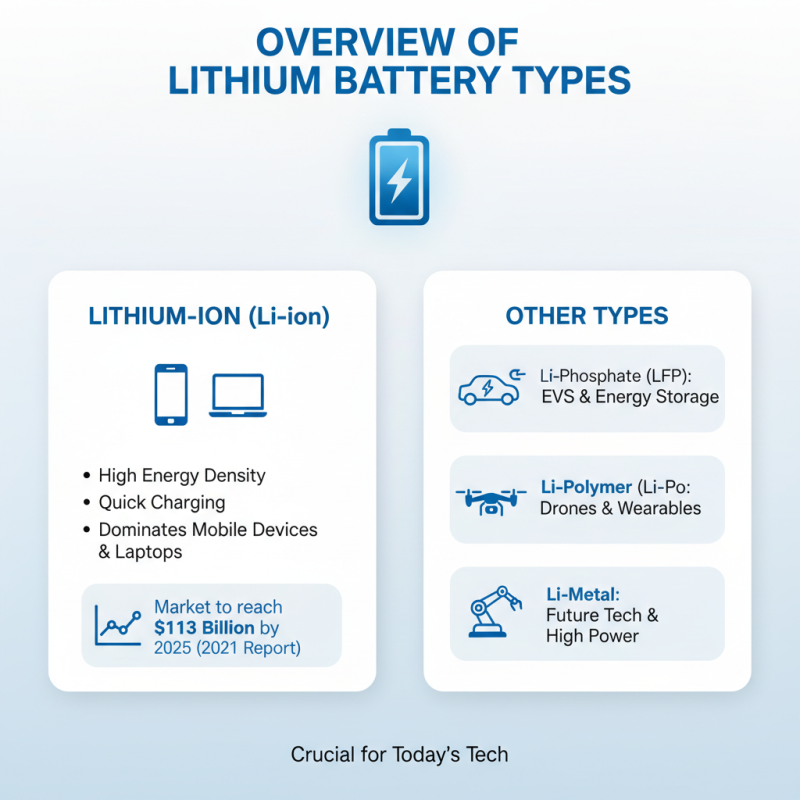
Lithium batteries are crucial in today’s tech-dependent world. Several lithium battery types exist, each with unique applications. For example, lithium-ion batteries dominate mobile devices. They offer high energy density and quick charging times. According to a 2021 market report, the global lithium-ion battery market is expected to reach $113 billion by 2025, driven by increasing demand in electronics.
Another type is lithium iron phosphate (LiFePO4) batteries. They are known for their safety and long cycle life. These batteries are often used in electric vehicles (EVs) and stationary energy storage systems. The International Energy Agency reported that EV sales surged by 40% in 2020. This trend highlights the increasing reliance on LiFePO4 batteries for sustainable energy storage.
Despite their efficiency, lithium batteries face challenges. Their production can be resource-intensive. Extracting lithium also raises environmental concerns. For instance, lithium mining can lead to water shortages in local communities. Companies must grapple with balancing demand for performance and sustainability in lithium battery manufacturing.
Characteristics of Lithium-Ion Batteries
Lithium-ion batteries are widely used today due to their remarkable characteristics. They have a high energy density, allowing them to store more energy in a smaller space. This makes them ideal for portable devices like smartphones and laptops. In comparison to older battery technologies, they offer longer life cycles, which means fewer replacements over time. Their lightweight design is another factor that enhances their appeal across various applications.
The charging speed of lithium-ion batteries is impressive, with many models reaching substantial levels within hours. However, this rapid charging can sometimes lead to overheating. Safety remains a crucial concern, as any damage can result in performance issues. Some batteries do not perform well in extreme temperatures, which limits their usability. Despite these drawbacks, lithium-ion batteries are central in renewable energy systems, powering electric vehicles and storing solar energy.
These batteries are not without challenges. Degradation over time is a significant issue. After numerous charge cycles, they can lose capacity. This phenomenon demands continuous research and innovation to extend battery life. Moreover, recycling lithium-ion batteries is a complex process that needs improvement. It's clear that while they have transformed energy storage, there is room for enhancements in efficiency and sustainability.
Top Types of Lithium Battery and Their Applications
This chart illustrates the energy density of various types of lithium batteries, showcasing their efficiency and suitability for different applications. Lithium-Ion batteries are commonly used in consumer electronics, while Lithium Polymer batteries excel in applications requiring lighter weight and flexibility.
Applications of Lithium Polymer Batteries
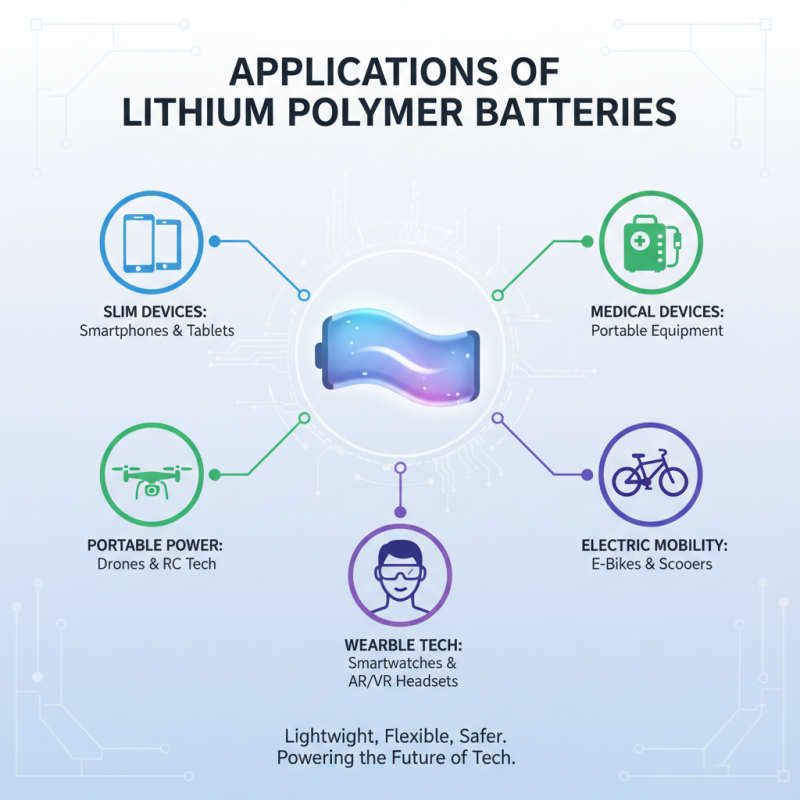
Lithium polymer batteries are increasingly popular in various applications due to their lightweight and flexible design. Unlike traditional lithium-ion batteries, they contain a gel-like electrolyte, making them safer and easier to shape. This unique structure allows them to fit into slim and compact devices, such as smartphones and tablets. Their versatility is remarkable, catering to different needs in the ever-evolving tech landscape.
In consumer electronics, lithium polymer batteries power everything from wearables to high-performance drones. Their higher energy density means longer usage times, which is crucial for devices reliant on battery life. However, it's essential to handle them carefully; improper use can lead to swelling or overheating. While they have many advantages, some consumers may not be aware of the safety risks involved. Understanding how to charge and store these batteries safely can prevent potential hazards, thus maximizing their benefits.
In the realm of electric vehicles, lithium polymer batteries are slowly gaining traction. They offer excellent weight-to-energy ratios, enhancing vehicle efficiency. However, they may not yet match the longevity of more established battery types. This creates a dilemma for manufacturers focused on durability and performance. Continuous research and development are needed to improve these batteries. Emphasis on safety, efficiency, and longevity remains vital for their future in the market.
Benefits of Lithium Iron Phosphate Batteries
Lithium iron phosphate (LiFePO4) batteries are gaining popularity in various applications. Their safety features set them apart from other lithium batteries. Unlike traditional lithium-ion batteries, they are less prone to overheating. This characteristic is crucial for devices that require reliable performance.
One notable benefit of LiFePO4 batteries is their long cycle life. They can endure thousands of charge and discharge cycles. This longevity reduces the frequency of replacements, which is both cost-effective and eco-friendly. Additionally, they offer stable voltage output, which makes them ideal for electric vehicles and renewable energy storage.
On the downside, the energy density of LiFePO4 batteries is lower compared to other lithium types. This might limit their use in applications requiring light-weight designs. Furthermore, their initial cost can be higher. However, these drawbacks are often outweighed by the overall benefits. They provide a safer, more sustainable option for modern energy needs.
Emerging Trends in Lithium Battery Technology
Emerging trends in lithium battery technology reveal a significant shift towards sustainability and efficiency. According to a recent Market Research report, the lithium battery market is projected to reach $100 billion by 2025. Innovations in recycling methods are becoming crucial. Currently, only 5% of lithium batteries are recycled efficiently. This gap highlights the importance of developing improved recycling processes.
Another trend is the growth of solid-state batteries. These batteries promise enhanced safety and energy density. Recent data indicates that solid-state batteries can potentially double the energy capacity compared to conventional lithium-ion batteries. This improvement could revolutionize electric vehicles and portable electronics. Yet, the technology faces challenges, like high manufacturing costs and scalability issues.
Furthermore, integration with renewable energy sources is gaining attention. A report from the International Energy Agency notes that storage capacity must increase threefold by 2030 to support electric grid reliability. This highlights an urgent need for advanced battery systems. However, are these advancements enough to meet the rising energy demands? The industry must remain vigilant and adaptable.
Top Types of Lithium Battery and Their Applications
| Battery Type |
Chemistry |
Energy Density (Wh/kg) |
Cycle Life (Cycles) |
Applications |
| Lithium-ion (Li-ion) |
LiCoO2, LiFePO4 |
150-200 |
500-1500 |
Consumer electronics, Electric vehicles |
| Lithium Polymer (LiPo) |
LiCoO2, LiFePO4 |
100-240 |
300-1000 |
Drones, RC devices, Smartphones |
| Lithium Iron Phosphate (LiFePO4) |
LiFePO4 |
90-120 |
2000-5000 |
Power tools, Electric vehicles, Energy storage systems |
| Lithium Manganese Oxide (LiMn2O4) |
LiMn2O4 |
100-150 |
500-1500 |
Hybrid electric vehicles, Medical devices |
| Lithium Nickel Cobalt Aluminum Oxide (NCA) |
NCA |
200-250 |
500-1000 |
Electric vehicles, Aerospace |