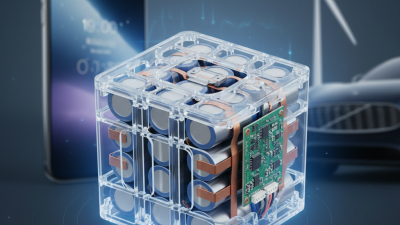
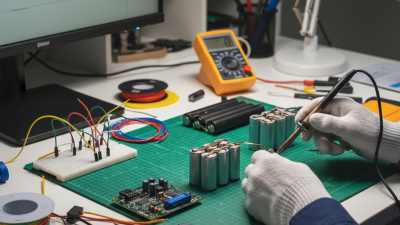
2026 Top Trends in Ion Battery Technology for Sustainable Energy Solutions?
The increasing demand for sustainable energy solutions has positioned ion battery technology at the forefront of innovation. According to a recent report by MarketsandMarkets, the global ion battery market is expected to reach $116.4 billion by 2026, growing at a CAGR of 20.6%. This rapid expansion is driven by the need for cleaner energy storage solutions in sectors such as electric vehicles and renewable energy systems.
As we look towards 2026, key trends are emerging in ion battery technology. These include advancements in materials for improved energy density and efficiency. Companies are investing heavily in research to enhance battery lifespan and reduce environmental impact. However, challenges remain. Many current ion battery technologies still rely on materials that raise ethical and sustainability concerns.
Understanding these dynamics is essential for stakeholders. The development of ion batteries must align with broader environmental goals. While progress is promising, ongoing reflection on the sustainability of resources used is necessary. Balancing performance and ethical sourcing will be critical for the future of ion battery technology.
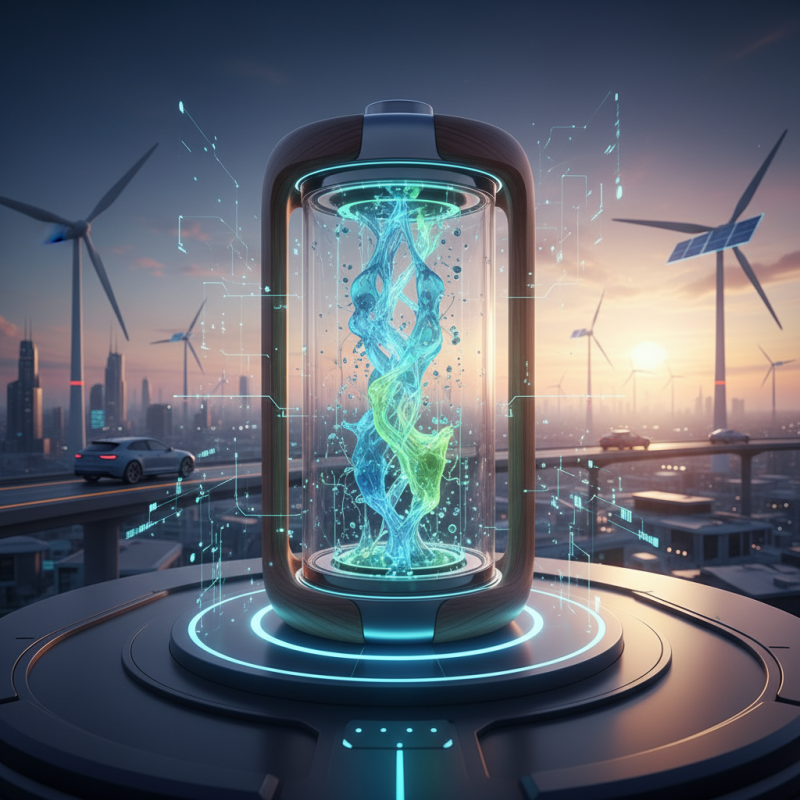
Emerging Innovations in Ion Battery Chemistry for 2026
The evolution of ion battery technology is pivotal for sustainable energy solutions in 2026. Innovations in ion battery chemistry promise greater efficiency and longer lifespans. For instance, advancements in solid-state batteries could improve energy density by 50% compared to traditional lithium-ion batteries. This change could lead to smaller, lighter electric vehicles and enhanced grid storage systems.
Moreover, researchers emphasize the importance of sustainable materials. Finding alternatives to cobalt, which is costly and ethically challenging, remains a key focus. Reports suggest that by 2026, using sodium-ion or magnesium-ion batteries could significantly reduce environmental impact. These strategies address ethical issues while ensuring reliable performance.
Challenges remain, though. The commercialization of new battery technologies often faces hurdles, including high manufacturing costs and scalability. While projections indicate a growth of the ion battery market to over $100 billion by 2026, it is crucial to reflect on the technological gaps and supply chain vulnerabilities. Continuous innovations are essential, but stakeholders must also prioritize sustainability and ethics in their development processes.
2026 Top Trends in Ion Battery Technology for Sustainable Energy Solutions
This bar chart illustrates the projected advancements in ion battery technology for 2026, highlighting key areas of innovation including energy density, charging time, lifespan, and cost reduction.
Advancements in Energy Density and Charging Speed of Ion Batteries
The ion battery technology landscape is rapidly evolving, especially regarding energy density and charging speed. New materials are emerging, enhancing capacity significantly. Solid-state batteries, for instance, promise to deliver higher energy density compared to traditional lithium-ion cells. This means electric vehicles could go farther on a single charge. However, the production process remains costly and complex.
Charging speed is another crucial aspect gaining attention. Researchers are developing technologies to reduce charging times drastically. Concepts like fast-charging lithium-silicon batteries could change the game. Imagine charging a smartphone in just a few minutes. However, challenges such as heat management and cycle stability still need solutions.
These advancements reflect a commitment to sustainable energy. Yet, there are hurdles. Not all breakthroughs are ready for mass production. Some innovations may take years to implement commercially. Balancing performance, safety, and cost remains a continuous struggle in the industry. The journey ahead is promising but fraught with challenges.
Integration of Ion Batteries into Renewable Energy Systems
The integration of ion batteries into renewable energy systems is a critical trend shaping sustainable solutions. According to a recent report by the International Energy Agency, global battery demand may reach 2 terawatt-hours by 2030. This surge is essential as more companies focus on enhancing energy storage capabilities. Renewable sources like solar and wind energy are often intermittent. Ion batteries can store excess energy efficiently for later use.
Adopting ion batteries can significantly impact grid stability. In recent studies, it was found that incorporating battery storage could increase grid reliability by up to 30%. This is vital for handling peak load demands. However, the recycling of lithium-ion batteries remains a challenge. Many batteries end their life in landfills. Only about 5% of lithium-ion batteries are currently recycled, indicating a need for improved management strategies.
The ongoing advancements in ion battery technology present both opportunities and hurdles. Researchers are focusing on increasing the lifespan and reducing the environmental impact of these batteries. For instance, the development of solid-state batteries is promising, yet it’s still in the experimental stage. These advancements could redefine energy storage but also require further investment and innovation to overcome existing limitations.
Recycling Technologies for Sustainable Ion Battery Management
The growing reliance on ion battery technology necessitates a stronger focus on recycling methods. Recent reports highlight that about 95% of lithium-ion batteries can be recycled effectively. This suggests immense potential for sustainable management strategies. The recycling process can recover valuable materials such as lithium, cobalt, and nickel. These materials are vital for producing new batteries and reducing environmental impacts.
Tips for effective recycling include staying informed about local recycling programs. Knowing where to dispose of batteries properly can reduce risks associated with hazardous waste. Many communities have set up specialized collection centers for battery recycling. Researchers continue to explore hydrometallurgical and pyrometallurgical techniques to improve recovery rates.
With the expected growth of the battery market, projected to reach over $140 billion by 2027, the demand for reliable recycling technologies will escalate. Yet, challenges remain. Contaminated batteries can lead to lower recycling efficiency and pose environmental hazards. Encouraging consumer awareness and responsible disposal practices will be critical in addressing these issues.
2026 Top Trends in Ion Battery Technology for Sustainable Energy Solutions
| Trend |
Description |
Impact on Sustainability |
Recycling Technology |
| Solid-State Batteries |
Utilizes solid electrolytes for improved safety and efficiency. |
Higher energy density and lower risk of leaks contribute to reduced environmental hazards. |
Easier material recovery from batteries at end-of-life. |
| Lithium-Sulfur Batteries |
Higher theoretical capacity compared to lithium-ion batteries. |
Potential for longer battery life and less frequent disposal. |
Innovative processes for sulphur recovery and reuse. |
| Bio-Based Batteries |
Batteries made from organic materials reducing reliance on metals. |
Lower environmental impact and use of renewable resources. |
Biodegradable components simplify end-of-life processes. |
| Advanced Recycling Techniques |
Technologies such as hydrometallurgy and direct recycling. |
Maximizes resource recovery and reduces waste. |
Reduces harmful emissions during recycling processes. |
| Energy Management Systems |
Smart systems that optimize battery usage and lifespan. |
Enhances efficiency in energy consumption and prolongs battery life. |
Facilitates easier tracking and management of battery recycling programs. |
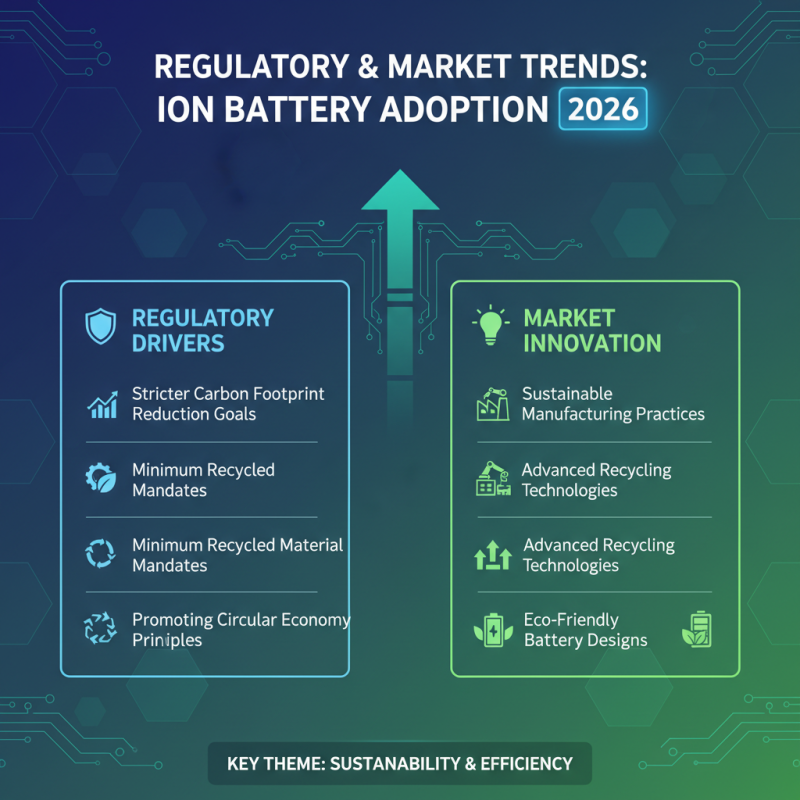
Regulatory and Market Trends Influencing Ion Battery Adoption in 2026
The regulatory environment in 2026 plays a crucial role in shaping ion battery technology. Governments are increasingly implementing stricter regulations aimed at reducing carbon footprints. For example, policies may require a minimum percentage of recycled materials in battery production. This pushes manufacturers to innovate and adopt sustainable practices, promoting a circular economy.
Market trends are also influential. Increased consumer demand for electric vehicles (EVs) drives the need for efficient ion batteries. According to the International Energy Agency (IEA), the number of electric cars on the road is expected to surpass 300 million by 2030. This demand creates opportunities for battery producers to scale operations. However, challenges remain. Fluctuating raw material prices can disrupt the market. Ensuring a stable supply chain is critical for growth.
Additionally, consumer awareness around sustainability is rising. More buyers are seeking eco-friendly products. This shift impacts companies, as they need to adapt to evolving preferences. Fostering transparency through supply chains is essential. The need for ethical sourcing practices has never been more urgent. While progress is evident, the industry must confront its environmental footprint. Balancing innovation with sustainability remains a pressing challenge.