Top 5 Solar Applications for Global Buyers in 2026?
As the world increasingly shifts towards sustainable energy sources, the demand for diverse Solar Applications is set to soar by 2026. According to a recent report from the International Energy Agency (IEA), solar power could supply nearly 30% of global electricity by that year. This shift highlights the growing importance of solar technologies across various sectors.
In the commercial and residential markets, solar panels are becoming integral. Innovative applications like building-integrated photovoltaics (BIPV) are transforming urban landscapes. Additionally, solar heating systems are gaining traction in regions with high solar irradiance. However, challenges persist. The integration of solar solutions with existing infrastructures requires careful planning and investment. This often leads to logistical hurdles that may delay implementation.
The agricultural sector also shows immense potential for solar applications. Solar irrigation systems can significantly enhance water management in arid regions. Despite these advancements, the accessibility of such technologies remains uneven across different economies. Addressing this disparity is crucial for maximizing the benefits of solar energy worldwide. This outline emphasizes the need for ongoing research and adaptation in Solar Applications to meet global demand effectively.
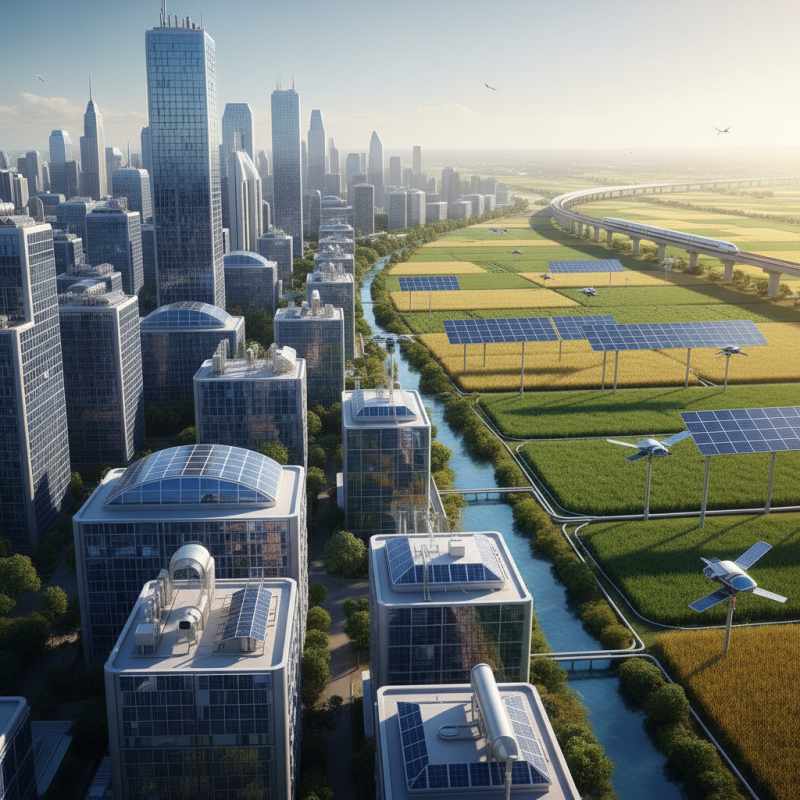
Emerging Solar Technologies Shaping the Market in 2026
Emerging solar technologies are transforming the landscape of energy consumption. In 2026, buyers will witness innovative solutions that enhance efficiency and sustainability. One notable advancement is bifacial solar panels. They capture light from both sides, increasing energy generation. This technology can significantly improve output, particularly in areas with reflective surfaces.
Another important trend is the integration of energy storage systems. These systems allow for better management of solar energy. They enable users to store excess energy produced during sunny days for use during cloudy days or at night. This flexibility enhances the reliability of solar power. However, challenges remain in terms of cost and accessibility.
Moreover, solar building integration is gaining traction. This involves embedding solar cells into building materials. Homes and offices could generate energy without needing separate panels. While this technology holds great promise, it requires further development and investment. Balancing aesthetics with energy efficiency remains a challenge to address. Thus, while the future of solar technology is bright, companies must reflect on these hurdles.
Top 5 Solar Applications for Global Buyers in 2026
| Application | Description | Market Growth (%) | Key Benefits |
| Residential Solar Systems | Solar power systems installed in homes for energy independence. | 15% | Cost savings, increased property value, energy security. |
| Commercial Solar Installations | Solar arrays installed on commercial properties to reduce operational costs. | 12% | Reduced energy costs, tax incentives, sustainability goals. |
| Solar-Powered Electric Vehicles | Integration of solar panels in electric vehicles to enhance range. | 20% | Extended range, reduced charging costs, eco-friendly transport. |
| Solar Water Heating Systems | Using solar energy to heat water for residential or commercial use. | 10% | Lower energy bills, central heating integration, environmental benefits. |
| Utility-Scale Solar Farms | Large-scale solar power plants contributing to grid energy supply. | 17% | High energy output, significant land use efficiency, renewable energy goals. |
Key Solar Applications for Residential Buyers in 2026
As solar energy continues to evolve, homeowners are looking for effective applications in 2026. One prominent application is solar panels. These are essential for generating electricity. They can significantly reduce monthly utility bills. Plus, they add value to homes. However, the installation process can be complicated. Buyers must evaluate roof conditions before installation.
Another key application is solar water heating systems. These systems use solar collectors to heat water for domestic use. This solution is not only efficient but also environmentally friendly. It can help homeowners save on heating costs. It's essential to calculate the required system size based on family needs. Oversizing can lead to unnecessary expenses.
When considering solar applications, efficiency matters. Homeowners should focus on energy storage solutions. Battery systems allow energy collection for later use. This capability can increase the self-sufficiency of homes. Not all batteries are created equal, though. Researching options and reading reviews is vital.
Tips: Always consult with a professional before making decisions. Assess your local climate, as it influences solar efficiency. Don’t rush; take the time to evaluate different technologies.
Agricultural Solar Solutions: Enhancing Efficiency for Global Farmers
Agricultural solar solutions are transforming farming practices worldwide. These systems harness sunlight, providing energy for machinery and irrigation. Farmers can significantly reduce their reliance on fossil fuels, lowering operational costs. Solar energy aids in crop production by powering essential equipment. This shift has the potential to increase yields and boost overall efficiency.
However, implementing solar technology is not without challenges. Initial installation costs can be high, deterring some farmers from adopting these systems. Additionally, proper maintenance is crucial for optimal performance. Farmers must also consider local weather patterns and land suitability. These factors can affect energy generation and system efficiency.
Many agricultural practices are now integrating solar solutions. This trend is expected to grow. Investing in solar energy can yield long-term benefits for farmers. It enhances sustainability while also contributing to environmental conservation. Each farmer must weigh these benefits against initial barriers. Ultimately, the decision should reflect individual needs and circumstances.
Commercial Solar Installations: Trends and Opportunities in 2026
The commercial solar market is poised for significant growth by 2026. Businesses are increasingly recognizing the benefits of solar installations. These systems not only reduce energy costs but also enhance sustainability efforts. More companies are investing in solar energy to meet regulatory requirements and consumer expectations for greener operations.
Tips for commercial solar installations include conducting thorough site assessments. This is key to understanding sunlight exposure and energy needs. Additionally, engaging with experienced solar consultants can provide valuable insights. They can help identify the right technology for specific business needs. Remember, not all installations are perfect. Some businesses may face challenges in financing or integrating solar with existing energy systems.
Incorporating battery storage systems is another emerging trend. This approach allows businesses to store excess energy and use it during peak hours. However, it’s important to evaluate the initial investment versus long-term savings. Continuous monitoring of energy performance is essential to ensure the system operates efficiently. Being aware of local regulations is crucial before installation. Keeping these factors in mind can improve overall project success.
Innovative Solar Storage Systems: Powering the Future of Renewable Energy
Innovative solar storage systems are transforming the landscape of renewable energy. These systems are designed to capture excess energy produced by solar panels, allowing users to store it for later use. As we look toward 2026, advancements in technology promise increased efficiency and reliability for consumers worldwide.
Battery storage solutions are becoming more accessible, enabling homeowners and businesses to harness solar energy when it is most needed. Innovations in lithium-ion and solid-state batteries show great potential. However, the environmental impact of materials used must be addressed. It’s vital to develop sustainable practices around battery production and disposal.
While these systems offer many advantages, challenges remain. The initial cost of installation can be high. Users often struggle to understand the return on investment. Moreover, the integration of solar storage with existing power grids is complex. Continued research and collaboration among energy experts will drive the necessary improvements. This journey toward a sustainable energy future involves learning from both success and failure.
Top 5 Solar Applications for Global Buyers in 2026
This chart illustrates the projected adoption rates of various solar applications by 2026, highlighting the significant growth in innovative solar storage systems for renewable energy integration.