Top 10 China Lithium Pack Suppliers for Your Global Needs?
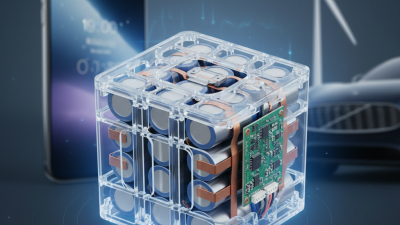
As the demand for electric vehicles and renewable energy solutions rises, the role of lithium packs becomes increasingly vital. These energy storage systems are essential for powering the future. China has emerged as a leading supplier of lithium packs, meeting the global demand efficiently.
The top suppliers not only produce high-quality products, but they also leverage advanced technologies and extensive experience. This enhances the reliability of their lithium packs. Companies like CATL and BYD are notable players in this competitive market. Their expertise underscores a significant shift towards sustainable energy practices worldwide.
However, navigating the landscape of lithium pack suppliers can be challenging. Each company's unique strengths and possible weaknesses must be considered. Buyers should reflect on what specific qualities they need. Understanding these dynamics is crucial for making informed decisions in today's fast-paced energy market.
Overview of the Global Lithium Market and Demand Growth
The global lithium market is experiencing rapid growth. In 2022, the market was valued at approximately $7.5 billion and is projected to reach over $16 billion by 2027, according to industry reports. This surge is driven primarily by the demand for electric vehicles (EVs) and renewable energy storage systems. In 2021, the EV market accounted for about 67% of lithium-ion battery demand, and that percentage is expected to grow even larger.
Production challenges are notable. The extraction of lithium brine is complex and often environmentally contentious. Countries like China, Australia, and Chile are leading suppliers, but they face pressure to enhance sustainable practices. The International Energy Agency projects that by 2040, lithium demand could increase by up to 40 times, depending on the adoption rates of EVs and energy storage technologies. These numbers reflect a clear need for companies to innovate in sourcing and recycling lithium. Delays and resource bottlenecks might impact supply, causing fluctuations in prices and availability.
Despite the promising trajectory, the industry grapples with critical hurdles. Supply chain vulnerabilities exist, particularly in raw material sourcing. As demand grows, firms must balance expansion with environmental concerns. Industry stakeholders are looking for ways to mitigate risks through improved recycling technologies and alternative battery materials. The need for reliable supply chains is urgent but still underdeveloped. Addressing these issues will be vital for sustainable growth in the global lithium market.
Key Factors Driving the Lithium Ion Battery Supply Chain in China
The lithium-ion battery supply chain in China is driven by several key factors. First, the rapid growth in electric vehicle (EV) adoption is a major catalyst. This shift leads to an increased demand for lithium batteries. Consequently, lithium pack suppliers are under pressure to scale production quickly. They must also focus on quality and reliability to meet the needs of global markets.
Another significant factor is the availability of raw materials. China has access to large lithium reserves, which helps maintain a stable supply chain. However, the industry faces challenges related to environmental regulations. Companies are increasingly held accountable for sustainable practices. There’s a growing need for transparency in sourcing materials, which can complicate operations.
Additionally, technological advancements in battery chemistry are evolving fast. Suppliers must invest in research and development to stay competitive. This market is highly dynamic, requiring flexibility to adapt swiftly. Companies not embracing innovation may risk falling behind. Overall, understanding these factors is essential for stakeholders looking to navigate China's lithium landscape effectively.
Top 10 China Lithium Pack Suppliers for Your Global Needs
| Supplier Rank |
Annual Production Capacity (GWh) |
Market Share (%) |
Key Innovation Focus |
Sustainability Initiatives |
| 1 |
25 |
20 |
High Energy Density Cells |
Recycling Programs |
| 2 |
20 |
15 |
Fast Charging Technology |
Carbon Neutrality Goals |
| 3 |
18 |
12 |
Solid-State Batteries |
Water-Based Manufacturing |
| 4 |
15 |
10 |
Next-Gen Lithium Cells |
Reduced Water Usage |
| 5 |
13 |
8 |
Ultra-Fast Charge |
Circular Economy Approaches |
| 6 |
10 |
7 |
Battery Management Systems |
Renewable Energy Use |
| 7 |
8 |
5 |
Smart Battery Solutions |
Waste Reduction Techniques |
| 8 |
5 |
3 |
High-Temperature Resistant Cells |
Community Engagement Programs |
| 9 |
4 |
2 |
Lightweight Battery Packs |
Energy Efficiency Projects |
| 10 |
3 |
1 |
Flexible Battery Technologies |
Pollution Control Measures |
Top 10 Lithium Pack Suppliers in China: Market Share and Performance
China has emerged as a leading hub for lithium pack suppliers. The increasing demand for renewable energy solutions drives this growth. Many manufacturers focus on producing lithium-ion batteries for various applications, including electric vehicles and energy storage systems. Their innovations play a crucial role in reducing carbon footprints globally.
The market share of these suppliers varies significantly. Some companies dominate with extensive research and development capabilities. They continuously improve energy density and battery life. Others may struggle to keep pace with industry standards. Performance discrepancies often reflect differences in production methods and quality control practices. The competitive landscape pushes suppliers to enhance reliability and sustainability.
However, there are challenges in the industry. Some suppliers face criticism for environmental concerns related to mining practices and waste management. It's essential for stakeholders to evaluate suppliers' ethical practices. Transparency in sourcing and production processes can build consumer trust. As the market matures, the focus on responsible sourcing becomes more vital.
Analysis of Innovation and Technology in Chinese Lithium Pack Manufacturing
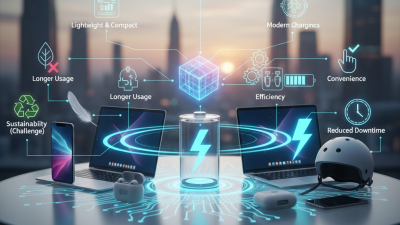
Chinese lithium pack manufacturers have become vital players in the global battery supply chain. Innovation in battery technology drives their success. They focus on enhancing energy density and charging speed. These advancements enable larger capacities in smaller packages, which is crucial for electric vehicles and energy storage.
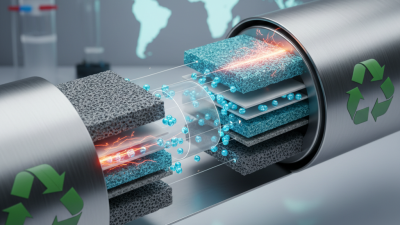
Sustainability is another key aspect. Manufacturers are exploring eco-friendly materials and recycling processes. This shift is essential as demand for lithium grows. However, some factories still face challenges in achieving sustainable practices. Addressing these issues requires continuous improvement and collaboration.
Moreover, the competition within the industry fosters rapid technological progress. Suppliers constantly seek ways to improve efficiency and reduce production costs. However, this fast-paced environment can lead to quality control issues. Ensuring reliability in lithium packs becomes imperative. Striking a balance between innovation and quality presents a challenge.
Future Trends in Lithium Supply: Sustainability and Recycling Initiatives
The demand for lithium is skyrocketing as electric vehicles and renewable energy storage grow. However, sustainability in lithium supply is paramount. As reported by the International Energy Agency (IEA), lithium demand could surge up to six times by 2030. This increase raises concerns about environmental impact and resource depletion.
Recycling initiatives are gaining traction. Many producers are exploring closed-loop systems. These systems minimize waste and recovery rates can exceed 90% in some settings. A study by the World Economic Forum states that effective recycling could supply around 30% of lithium needs by 2030. This not only conserves resources but also reduces greenhouse gas emissions.
New technologies in lithium extraction are also emerging. Methods such as Direct Lithium Extraction (DLE) promise to be less harmful. Current practices can damage ecosystems, and they often yield lower quality lithium. Engaging in sustainable practices is essential for a responsible industry.
Stay informed on the latest in lithium supply trends. Understanding supply chain impacts is vital for businesses. Engage with industry reports and research studies regularly. Explore various recycling options that can enhance your sustainability efforts.