Top Battery Pack Manufacturers for Global Buyers
Global buyers rarely choose a battery pack by price alone. They compare usable capacity, power output, cycle life, safety controls, and supplier support. A pack that fits a clean product specification may still disappoint when heat, vibration, or uneven charging enters daily use. Small details matter.
Battery pioneer Akira Yoshino once said, “The lithium-ion battery is a product of a long history of research and development.” His observation is a useful reminder: a dependable pack reflects more than cell chemistry. It depends on engineering, testing, quality control, and careful integration. Buyers should ask how manufacturers validate performance, manage thermal risks, trace components, and respond when a field issue appears. Clear answers count.
This guide introduces leading battery pack manufacturers for international purchasers and explains how to assess their strengths. It considers applications such as electric mobility, industrial equipment, energy storage, and consumer products, where duty cycles and operating conditions differ. A compact pack for a handheld device is not judged like a high-voltage system serving a vehicle or factory. Look closely at certifications, documentation, customization capacity, production consistency, and after-sales service. Request test data, not just polished brochures. Then compare like with like.
There is no perfect supplier. Even established companies may have gaps in regional support or product fit. That part deserves honest scrutiny.

Understanding Battery Pack Manufacturers and Their Role in the Supply Chain
Battery pack manufacturers turn cells into working energy systems. Their role extends beyond assembly. They select cell formats, design module layouts, connect busbars, and integrate battery management systems. They also test thermal behavior, vibration resistance, and electrical performance. A pack may look like a metal box, but its sensors, seals, and wiring determine how reliably it performs in a vehicle or storage cabinet. Small design choices matter.
The supply chain links mineral processors, cell makers, pack integrators, equipment suppliers, and end users. The International Energy Agency reported that global battery demand in the energy sector reached about 750 gigawatt-hours in 2023, driven largely by electric vehicles. That scale makes dependable pack integration increasingly important. Manufacturers must coordinate cell specifications, production schedules, traceability, and quality checks across multiple suppliers. A delayed cell shipment can leave an otherwise finished production line idle. It happens. Buyers should assess manufacturing capability, testing procedures, warranty terms, and after-sales support—not just quoted capacity or price. The IEA’s 2022 report, Global Supply Chains of EV Batteries, also describes how battery production is concentrated in a limited number of regions. This concentration can create supply risks. Yet diversification takes time, and sometimes costs more than buyers expect.
Key Battery Pack Technologies and Product Categories
Battery pack selection begins with chemistry, not packaging. Lithium-ion remains common because it balances energy density, cost, and cycle life. LFP cells suit buses, storage cabinets, and tools needing thermal stability and long service. NMC packs support lighter mobility products where space and weight matter. Sodium-ion technology is emerging for lower-cost applications, but its energy density needs careful evaluation. Solid-state designs attract attention, although broad commercial maturity remains uncertain. Real testing matters more than a promising specification sheet.
Pack architecture also changes product performance. Cylindrical cells offer repeatable manufacturing and convenient cooling paths. Prismatic cells use space efficiently inside rigid modules. Pouch cells reduce structural weight, yet they need dependable compression and protection. Battery management systems monitor voltage, current, temperature, and charge status. Thermal control may use air, liquid, or passive heat spreaders. Small details matter. A loose connector can create costly downtime.
Global buyers should compare complete product categories, not cell prices alone. Portable packs, electric-vehicle modules, residential storage units, industrial backup systems, and medical power packs have different duty cycles. Request cycle-test records, traceability, safety documentation, and production consistency. Confirm performance across local temperatures and charging habits. Supplier audits can reveal weak quality controls before shipment. I would not trust a flawless forecast. Field data is often incomplete, and pack performance can change after installation. Build a sample-testing stage into procurement, even when schedules feel tight.
Leading Manufacturers Across Global Markets
Leading battery pack manufacturers serve different needs across automotive, industrial, energy storage, and portable equipment markets. Their strengths often reflect local supply chains and customer priorities. Some focus on high-volume production, while others build smaller batches for specialized equipment. The differences matter. A buyer should examine more than cell capacity. Pack design, thermal management, vibration resistance, and service access all affect performance in the field.
Global suppliers may offer regional engineering support and production near major customer markets. This can shorten communication loops and make replacement parts easier to source. Ask for documented test methods, traceable component records, and clear warranty terms.
For a warehouse vehicle, for example, a pack may face repeated charging cycles, dust, and temperature swings. A stationary storage system has different demands, including long operating life and straightforward monitoring. Not every manufacturer excels in every category.
Even detailed specifications leave room for uncertainty, so sample testing under real operating conditions is worth the extra time. A careful comparison should include manufacturing capacity, quality controls, delivery timelines, and support after installation.
How to Evaluate Battery Pack Suppliers for International Sourcing
Top Battery Pack Manufacturers for Global Buyers
How to Evaluate Battery Pack Suppliers for International Sourcing
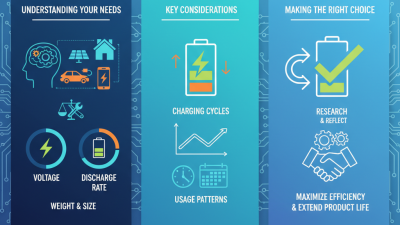
Choosing a battery pack supplier takes more than comparing price and stated capacity. The IEA’s Global EV Outlook 2024 reports that electric-vehicle battery demand exceeded 750 GWh in 2023, rising about 40% from 2022. That growth makes supply continuity and consistent production worth checking closely. Request traceable cell documentation, pack-level test results, and cycle-life figures with temperature, charge rate, and test method stated. A number without conditions is hard to compare. Review the battery management system, protection features, warranty terms, and the supplier’s process for handling defects. Ask whether production samples match the design you intend to order.
For international shipments, verify that the supplier can provide relevant safety and transport test documentation, such as UN 38.3 test summaries where applicable. Confirm that paperwork and product requirements match the destination market. A factory audit or independent inspection can help verify equipment, quality controls, and batch records. Still, no checklist catches everything; even strong test results may not predict every real-world use condition.
Tips: Request recent records from multiple production batches, not just a polished sample. Compare quotations using the same specifications and warranty assumptions. Ask who handles technical support across time zones, and agree on a clear process for investigating failures.
Certification, Logistics, and After-Sales Support for Global Buyers
A dependable battery pack supplier should make certification easy to verify. Ask for current test reports that match the exact cell, pack design, and intended shipping route. A certificate for a similar model may not cover your configuration. Check production dates, model numbers, and the issuing laboratory before placing a large order. Clear records reduce delays when a shipment reaches a warehouse or port.
Logistics deserve the same attention as technical specifications. Confirm packaging, temperature limits, pallet dimensions, and required transport documents with the supplier and freight provider. Request a sample document set before production begins. This simple step can reveal missing details while changes are still manageable. Transit estimates are not guarantees; customs reviews and seasonal congestion can shift delivery dates. I have seen careful planning still leave little room for unexpected storage costs, so buyers should build in a practical buffer. After delivery, ask how claims are handled, what inspection evidence is needed, and how quickly technical staff respond. Support is more useful when response times and replacement procedures are written down.
Tips: Keep a shared file for certificates, packing lists, inspection photos, and service contacts. Compare each document against the purchase order. One missed model code can create avoidable confusion.