
A thc vape can raise questions about product labeling, health risks, and local rules. The answers depend on where a person lives and which regulations apply. Laws may differ by region, and rules can change. Never assume that a product permitted elsewhere is allowed locally. Check current information from official public-health and government sources, and seek qualified legal advice when needed. This guide is informational, not a substitute for professional advice.
Safety deserves equal attention. Inhaled products can affect breathing, judgment, and coordination, while THC may cause unwanted effects such as anxiety or confusion. Product contents and concentrations may also be unclear. A label is not a guarantee. Keep products away from children and pets, and do not drive or operate machinery after exposure. If someone feels seriously unwell, contact local emergency services or a qualified health professional. Quick help matters.
The questions ahead examine age limits, packaging claims, health concerns, storage, and when to ask an expert. They focus on careful evaluation rather than encouraging use. Reliable answers should distinguish verified facts from assumptions and avoid promising that any product is risk-free. Some details remain uncertain, even after careful research. That deserves honest attention. Readers should pause, verify sources, and consider whether the safest choice is to avoid exposure.
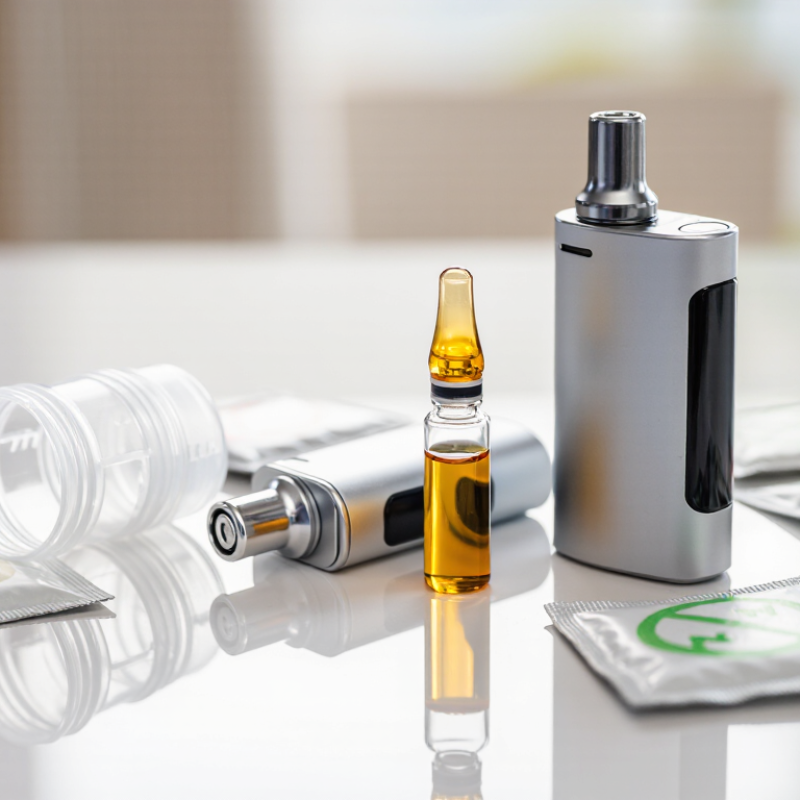
THC vape products are devices that heat a cannabis-derived concentrate into an aerosol for inhalation. They do not burn plant material, so the aerosol is not smoke; however, that does not make it harmless. A typical device has a battery, heating element, and cartridge or chamber. The concentrate may contain THC, the compound that can alter perception, alongside other ingredients. Formulas and device designs vary, so labels matter.
The US Centers for Disease Control and Prevention reported 2,807 hospitalizations and 68 deaths linked to the 2019 EVALI outbreak by February 2020. In its investigation, 82% of patients with available information reported using THC-containing products. The CDC associated vitamin E acetate with the outbreak, while noting that other chemicals could not be ruled out. These figures describe that outbreak, not every regulated product. Still, they show why ingredient transparency and reliable quality controls matter. That distinction is easy to miss.
Tips: In places where these products are lawful for adults, check ingredient and testing information, follow the device instructions, and do not modify cartridges. Keep devices away from children and pets. If breathing symptoms occur, seek medical care.
| Question | Answer |
|---|---|
| 1. What is a THC vape product? | It is a device that heats a THC-containing liquid, oil, or concentrate to create an aerosol for inhalation. Common formats include refillable or prefilled cartridges and all-in-one disposable devices. |
| 2. How does a THC vape work? | A battery powers a heating element, which warms the material and produces an aerosol. The aerosol is inhaled into the lungs; the device does not simply produce harmless water vapor. |
| 3. Is THC vaping legal? | The rules depend on the country, state, or region. Laws may separately regulate possession, purchase, sale, product type, public use, and driving. Check current official local rules rather than assuming a product is legal because it is sold nearby. |
| 4. Are there age limits or travel restrictions? | Many jurisdictions restrict cannabis purchases to adults and prohibit sales to minors, but the minimum age varies. Carrying THC products across borders or onto flights can create serious legal issues, even when cannabis is legal at the destination. |
| 5. How quickly can effects begin, and how long can they last? | Inhaled THC can affect someone within minutes, but onset and duration vary with the product, amount inhaled, and individual factors. Effects may last for hours, and impairment can continue after the person no longer feels high. |
| 6. What health risks should users know about? | THC can impair attention, memory, coordination, and judgment, and may cause anxiety, panic, or a rapid heartbeat. Inhaling aerosols can irritate or harm the lungs. Avoid THC during pregnancy or breastfeeding, and consult a health professional about personal risks or medication interactions. |
| 7. How can product quality and ingredients be checked? | Where legal, use products from regulated sources and review the label and any batch-specific laboratory report. Check for THC content, ingredients, contaminants testing, and clear warnings. Testing and labeling standards differ by location; a label alone cannot guarantee safety. |
| 8. Why avoid unregulated or modified cartridges? | Products from unverified sources may have inaccurate contents or harmful contaminants. The U.S. Centers for Disease Control and Prevention linked many cases in the 2019 lung-injury outbreak to THC vaping products, particularly those obtained from informal sources. Do not add substances to a cartridge or use a damaged, leaking, or altered device. |
| 9. What battery precautions matter? | Use the charger and device as instructed. Do not charge unattended or near flammable materials, and stop using a battery that is swollen, unusually hot, leaking, or damaged. Keep devices and THC products secured away from children and pets. |
| 10. What should someone do if they feel unwell or become impaired? | Do not drive, cycle, operate machinery, or mix THC with alcohol or other impairing substances. Move to a calm, safe place and seek medical advice if symptoms are concerning. Call emergency services for severe breathing difficulty, chest pain, loss of consciousness, or another medical emergency. |