What is an Ion Battery and How Does it Work?
An ion battery is a technology that powers many modern devices. From smartphones to electric vehicles, these batteries are essential. They work by transferring ions between two electrodes. This process generates electrical energy.
Understanding how an ion battery functions is crucial. It involves a complex interaction between chemistry and physics. The positive ions move through an electrolyte, creating a flow of electricity. This movement enables devices to operate efficiently. However, not all ion batteries are created equal. The materials and designs vary significantly.
Yet, the journey of ion battery development is not without challenges. Safety concerns and lifespan issues need constant attention. Some batteries can overheat, affecting performance. Reflection on these flaws is necessary for future innovations. Improvements are vital for sustainable energy solutions. The promise of ion batteries remains bright, but hurdles exist.
What is an Ion Battery?
An ion battery is a type of rechargeable battery that relies on the movement of ions in and out of the electrodes. These batteries are popular in electric vehicles and portable electronics. They typically use lithium ions, which have a high energy density and efficiency. An ion battery can deliver significant power while maintaining a lightweight structure. According to industry reports, the global ion battery market is projected to grow by 20% over the next five years.
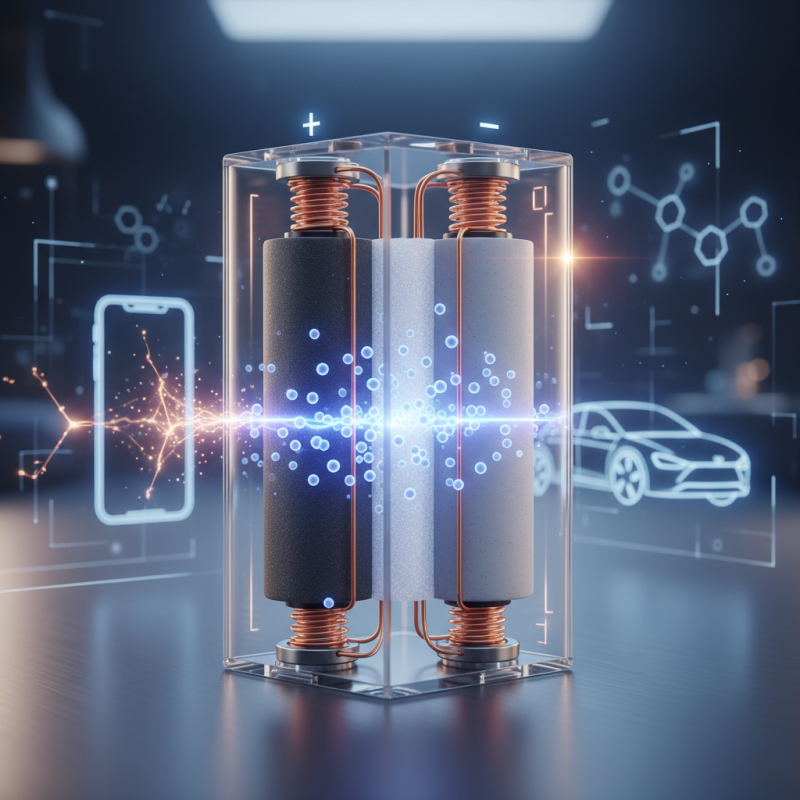
The core function of an ion battery is simple yet effective. During discharge, lithium ions flow from the anode to the cathode, generating electricity. When charging, the reverse occurs, allowing the battery to store energy. This cycle can be repeated over a thousand times. The energy capacity and longevity of ion batteries make them suitable for various applications. However, they can degrade over time, especially if not maintained correctly.
Tip: To extend the lifespan of your ion battery, avoid extreme temperatures. Heat can accelerate degradation.
Another consideration is recycling. While ion batteries are efficient, they contain materials that can harm the environment if discarded improperly. Efforts are being made to improve recycling processes. Not all facilities accept these batteries, which makes proper disposal crucial.
Tip: Always check local regulations for battery disposal and recycling options. It helps reduce environmental impact.
The Basic Components of Ion Batteries
Ion batteries are gaining popularity due to their unique features. Understanding their basic components helps us appreciate how they function. An ion battery primarily consists of three parts: the anode, cathode, and electrolyte.
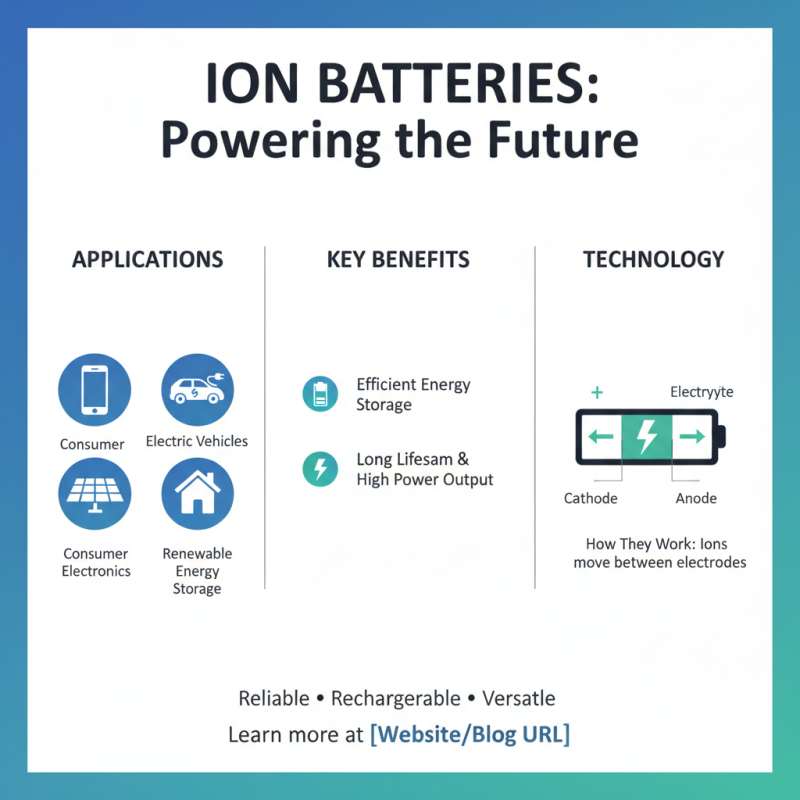
The anode is often made from materials like graphite. It stores lithium ions when the battery charges. These ions flow through the electrolyte to the cathode during discharge. The cathode generally contains metal oxides that help in accepting ions. The electrolyte serves as the medium for ion transfer. It can be a liquid or solid substance. This design allows for efficient energy conversion.
However, there are challenges in this technology. For instance, ion batteries can degrade over time. Factors like temperature and cycling can affect performance. It is crucial to consider these aspects for better battery life. Despite their advantages, improvements are necessary. Getting closer to an ideal battery is still a work in progress.
Battery Technology Comparison: Ion vs. Traditional Batteries
This chart compares the performance characteristics of ion batteries and traditional batteries across four key metrics: Energy Density, Cycle Life, Charge Time, and Temperature Range. Ion batteries generally outperform traditional batteries in energy density and cycle life while charging faster and operating in a wider temperature range.
How Ion Batteries Store and Release Energy
Ion batteries, commonly used in various electronic devices, utilize electrochemical processes to store and release energy. When charging, ions move from the positive electrode to the negative one, where they are stored. This movement generates an electric potential, ready to be released when needed. Reports indicate that ion batteries can achieve energy densities of up to 250 Wh/kg. This makes them suitable for applications ranging from mobile phones to electric vehicles.
During energy discharge, the process reverses. Ions travel back to the positive electrode, providing power. Interestingly, the rate of ion transport can fluctuate based on temperature and manufacturing quality. According to industry studies, performance degradation can be significant, particularly with fluctuating temperatures. This fluctuation highlights the ongoing challenge of optimizing battery lifespan and efficiency. In some cases, up to 30% of the stored energy may not be utilized effectively over time.
Charging cycles and depth of discharge are also critical. Research shows that shallow cycles can enhance battery life, yet many users opt for rapid charging. This can lead to quicker degradation. Balancing performance with longevity remains a focal point in ion battery development. Engineers are continuously seeking methods to improve efficiency while addressing these imperfections in design and operation.
The Working Mechanism of Ion Batteries
Ion batteries, widely used in modern devices, operate based on an intriguing mechanism. At their core, these batteries consist of two electrodes: a cathode and an anode. The electrolyte, a medium facilitating ion movement, is also crucial. When you charge the battery, lithium ions move from the cathode to the anode. This flow generates electric energy.
During discharge, the process reverses. Ions travel back, restoring the system. Energy is released, powering your device. The materials used can vary, affecting performance and lifespan. Many batteries face challenges, such as capacity fade over time. Regular use may cause irregularities in ion movement.
Understanding the working mechanism sheds light on efficiency and potential improvements. Researchers constantly seek ways to enhance ion battery life and reduce drawbacks. Innovation in materials and designs might lead to breakthroughs. However, progress is steady but not without bumps. It is essential to address these challenges for advancements.
What is an Ion Battery and How Does it Work? - The Working Mechanism of Ion Batteries
| Dimension |
Description |
Impact on Performance |
Common Applications |
| Electrode Material |
Material used for anode and cathode |
Affects capacity and energy density |
Smartphones, Laptops |
| Electrolyte |
Medium allowing ion transfer |
Influences conductivity and stability |
Electric Vehicles, Drones |
| Cycle Life |
Number of charge/discharge cycles |
Determines longevity of the battery |
Consumer Electronics, Renewable Energy Storage |
| Energy Density |
Amount of energy stored per unit weight |
Impacts the runtime of devices |
Wearable Devices, Electric Bikes |
| Temperature Range |
Operating temperature limits |
Affects efficiency and safety |
Outdoor Equipment, Automotive |
Applications and Benefits of Ion Battery Technology
Ion batteries have become increasingly popular due to their numerous applications and benefits. These batteries are commonly used in consumer electronics, electric vehicles, and renewable energy systems. They store energy efficiently, making them ideal for devices that require high power and long lifespan.
In consumer electronics, ion batteries provide a compact power source. Smartphones and laptops rely on them to function throughout the day. They allow for sleek designs. In electric vehicles, ion batteries are crucial. They enable a longer driving range and shorter charging times. This makes electric cars more appealing to the average consumer. However, battery life can still be a concern.
Renewable energy systems also benefit from ion batteries. They store energy generated from solar panels and wind turbines. This stored energy can be used when needed. Nonetheless, the environmental impact of battery production must not be overlooked. There are still challenges to address regarding recycling and sourcing materials. This requires thoughtful consideration and innovation in battery technology.