Why Are Pressure Reducing Regulators Essential in Industries?
In modern industries, Pressure Reducing Regulators play a crucial role in maintaining safe and efficient operations. John Smith, a leading expert in industrial pressure systems, emphasizes, "The reliability of Pressure Reducing Regulators can prevent costly disasters." This statement highlights the importance of these devices in managing pressure levels.
Pressure Reducing Regulators function by controlling the pressure of gases and liquids. They are vital in various sectors, including manufacturing, oil and gas, and pharmaceuticals. These regulators ensure that equipment operates within safe pressure limits. However, many organizations overlook regular maintenance. This neglect can lead to failures that disrupt operations.
In a world where precision is non-negotiable, the significance of Pressure Reducing Regulators cannot be understated. They are essential for protecting both workers and equipment. The industry must acknowledge the risks associated with improper usage. Without a commitment to proper regulation, the consequences could be dire.
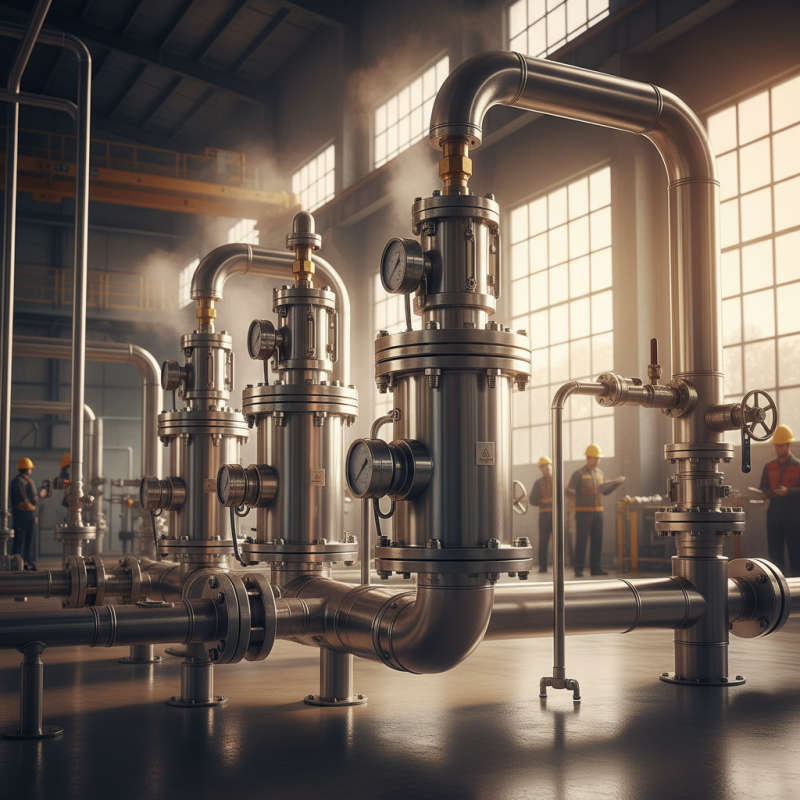
The Role of Pressure Reducing Regulators in Industrial Applications
Pressure reducing regulators (PRRs) play a crucial role in various industrial applications. They are designed to lower the pressure from a source to a safe level. This process ensures equipment operates efficiently. In industries like manufacturing and gas distribution, maintaining stable pressure is vital. Fluctuations can lead to equipment failure and safety hazards.
Proper use of PRRs can improve system reliability. For instance, a well-calibrated regulator reduces the risk of pressure spikes. This is essential for protecting sensitive equipment. Additionally, it helps in conserving energy and resources. Using efficient regulators can lower operational costs over time.
Tip: Regularly inspect and maintain pressure reducing regulators. This will ensure they function properly. Look for signs of wear or damage. Make adjustments as needed to maintain optimal performance.
In some cases, users may overlook the importance of choosing the right regulator type. This can lead to mismatches in applications. Understanding the specific needs of your system is key. Choosing an unsuitable PRR might seem easy, but it brings risks. Reflections on past experiences can guide better decisions for future installations.
Why Are Pressure Reducing Regulators Essential in Industries? - The Role of Pressure Reducing Regulators in Industrial Applications
| Application Area | Typical Pressure Range (psi) | Fluid Type | Material Compatibility | Key Benefits |
| Oil & Gas | 30 - 2000 | Natural Gas | Carbon Steel, Brass | Pressure Stability, Safety |
| Chemical Processing | 10 - 1500 | Chemical Solutions | Stainless Steel, PTFE | Corrosion Resistance, Accuracy |
| Food & Beverage | 15 - 1000 | Water, Gases | Food-Grade Materials | Hygienic Standards, Safety |
| Manufacturing | 5 - 500 | Compressed Air | Aluminum, Nylon | Energy Efficiency, Cost Savings |
Understanding the Functionality of Pressure Reducing Regulators
Pressure reducing regulators play a vital role in various industries. They help control the pressure of gases and liquids to safe levels. These devices ensure that pressure remains consistent, preventing damage to equipment. For instance, in a manufacturing plant, fluctuating pressure can lead to product defects. Regulators act as gatekeepers, allowing only the desired pressure through.
Understanding their functionality is key. These regulators use springs and diaphragms to achieve their purpose. When the inlet pressure exceeds a certain threshold, the regulator activates. It then opens a valve to lower the pressure. Sometimes, these devices might not respond as expected. This can be due to blockages or wear over time. Regular maintenance is crucial to avoid such issues.
In practice, users may overlook the importance of these regulators. They might assume everything will function smoothly. However, neglecting these devices can lead to costly repairs. Effective training and awareness about their role are essential. Industries should prioritize proper usage to ensure safety and efficiency.
Key Benefits of Utilizing Pressure Reducing Regulators in Industries
Pressure reducing regulators play a crucial role in various industries. They maintain a consistent pressure level, which is essential for optimal operations. A study shows that proper pressure regulation can lead to energy savings of up to 20% in industrial systems. This efficiency not only reduces operational costs but also minimizes wear and tear on equipment.
Regular usage of these regulators enhances safety. High-pressure systems can lead to dangerous leaks or equipment failure. According to research, around 30% of industrial accidents are linked to pressure-related issues. Utilizing pressure reducing regulators can drastically decrease these risks. However, some facilities overlook the maintenance of these devices. Regular checks are vital to ensure they function correctly.
Tips: Always monitor the pressure settings on your equipment. An inconsistency might indicate a malfunctioning regulator. Educate your staff about the importance of these devices. Clear understanding can prevent costly mistakes. Additionally, consider conducting regular training sessions to reinforce the importance of pressure safety measures.
Common Industrial Applications for Pressure Reducing Regulators
Pressure reducing regulators play a key role in various industries. They maintain consistent pressure levels essential for safe operations. In oil and gas sectors, these regulators manage high pressure from pipelines, reducing it to a usable level. This ensures equipment safety and optimizes performance.
In food processing, maintaining specific pressures is critical for product quality. Regulators help control the pressure in cooking and packaging processes. This protects the integrity of food and meets safety standards. Moreover, in chemical manufacturing, precise pressure control prevents accidents and ensures effective reactions.
Tip: Regular maintenance of these regulators is crucial. Dirt and debris can hinder their performance. Always clean and inspect components regularly to avoid costly downtime.
Regulators are also important in hospitals. They control gas pressures for medical equipment. A failure here can be life-threatening. Be vigilant about pressure levels and equipment readiness.
Tip: Training staff on the importance of these regulators can enhance safety. Everyone should understand their role in pressure management.
Factors to Consider When Selecting a Pressure Reducing Regulator
When selecting a pressure reducing regulator for industrial applications, several factors must be carefully evaluated. Understanding pressure ranges is crucial. For instance, many industrial systems operate optimally within a specific pressure band of 30 to 50 psi. This is vital for ensuring safety and efficiency. A regulator that cannot maintain these levels may cause equipment malfunction or inefficient operations.
Material compatibility is another important factor. The wrong materials can lead to corrosion or degradation. For example, using brass in a highly corrosive environment can result in failures, leading to operational downtime. It's estimated that improper materials account for nearly 15% of maintenance issues in high-pressure systems. This highlights the need for a thorough analysis before selection.
Flow capacity must also be matched to system needs. Many regulators have published flow curves, assisting in selecting the right equipment. However, users often ignore these specifications. Inadequate flow rates can restrict operations and cause pressure fluctuations. Identifying the peak flow requirements upfront ensures that the selected regulator will not underperform, leading to potential inefficiencies.