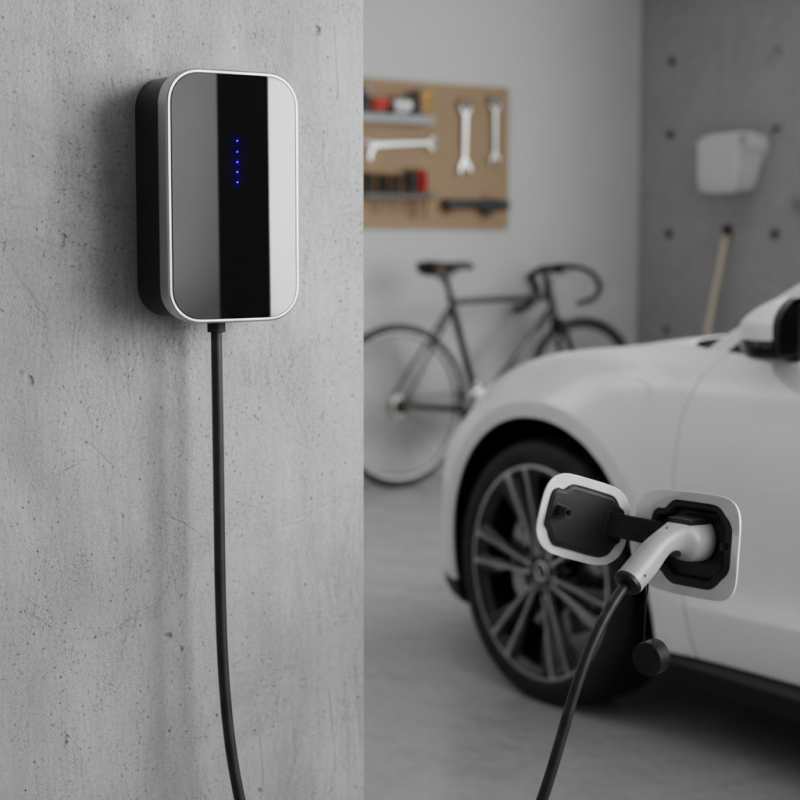
What is an Ev Charger Wall Plug and How Does It Work?
An Ev Charger Wall Plug is essential for electric vehicle owners. It provides a convenient way to charge your car at home. By connecting your vehicle to the plug, you can ensure a full battery for daily use.
These wall plugs come in different power levels. Some are designed for quick charging while others provide slower, more efficient options. With an Ev Charger Wall Plug, you can achieve a full charge overnight. However, choosing the right one can be challenging. Many factors influence the choice, from charging speed to installation costs.
Using an Ev Charger Wall Plug also requires careful consideration. Home wiring must support the required voltage. Regular maintenance is necessary to ensure safety and efficiency. It’s easy to overlook these aspects until an issue arises. Ultimately, understanding the functionality and requirements of your Ev Charger Wall Plug can lead to better experiences and decisions.
What is an EV Charger Wall Plug?
An EV charger wall plug is a crucial component for electric vehicle owners. It serves as the interface between the charging station and the vehicle. These plugs ensure that electric cars charge efficiently and safely. With several models available, they vary in design and performance. This diversity can lead to confusion for first-time users.
Typically, the wall plug connects to a power source. It then communicates with the vehicle’s onboard systems. This interaction determines the appropriate charging rate. However, not all plugs work with every car model, which can create compatibility issues. Users often find themselves frustrated when their vehicle and plug don't match.
Installation can also pose challenges. Some homeowners may lack adequate electrical capacity. Others may overlook the need for professional help, leading to safety concerns. It’s important to consider home setups before purchasing a charger. Homeowners should ensure their setup is adequate for everyday needs.
Components of an EV Charger Wall Plug
An EV charger wall plug serves a vital function in powering electric vehicles. Its efficiency relies on several key components. The main body of the charger houses the electrical connections. This part is designed to withstand weather variability and physical wear. It is crucial for it to be durable, yet it must also allow easy access.
The charging cable is another essential element. It's flexible and designed for high power transfer. The connectors at both ends ensure secure connections. They come in various designs to fit different vehicle types. Over time, the material may wear down, affecting performance. It's important to regularly check for fraying or damage, as these issues can quickly escalate.
Moreover, the control unit is the brains behind the operation. It manages the flow of electricity, protecting both the charger and the vehicle. This unit also communicates with the EV, ensuring optimal charging. Occasionally, firmware updates are necessary for improved efficiency. Users might feel overwhelmed by the technology, but understanding these components can help. Regular maintenance can also extend the life of the system.
How EV Charger Wall Plugs Generate Power
EV charger wall plugs are essential for charging electric vehicles efficiently. They convert electrical power from a standard source into a suitable format for the vehicle's battery. This process often involves a transformer that adjusts the voltage and current levels. It’s not just a simple plug; it integrates technology to optimize charging speeds and safety.
These wall plugs typically contain various components, such as circuit boards and connectors. When the plug is connected, it communicates with the vehicle's charging system. This dialogue ensures the right amount of power is sent. Sometimes, this interaction does not go smoothly. Compatibility issues can arise, leading to slower charging times or errors. Users must ensure their vehicle and charger are compatible. It's a detail that can easily be overlooked.
Moreover, the generation of power is influenced by several factors. The efficiency of the electrical grid and the condition of the wiring play a significant role. It’s crucial to check for wear and tear that could hinder performance. Regular maintenance might be required. Understanding these details helps address potential problems before they become major issues. Each charging session highlights the need for thorough knowledge and care.
What is an Ev Charger Wall Plug and How Does It Work? - How EV Charger Wall Plugs Generate Power
| Feature | Description | Power Output | Charging Time | Voltage Rating |
| Level 1 Charger | Standard household outlet; slow charging | 1.4 kW | 8-20 hours | 120V |
| Level 2 Charger | Faster charging, typically installed at home or public stations | 3.7-22 kW | 4-8 hours | 240V |
| DC Fast Charger | Rapid charging for electric vehicles at public stations | 50-350 kW | 30 minutes to 1 hour | 480V |
| Connectivity | Many chargers have Wi-Fi or mobile app support for monitoring | N/A | N/A | N/A |
Installation Process for EV Charger Wall Plugs
Installing an EV charger wall plug requires careful planning and execution. Begin by assessing the location where you want to install the charger. Ideally, it should be close to a parking space and access to the electrical panel. According to a study by the Electric Vehicle Infrastructure Initiative, 80% of EV owners prefer charging at home. This highlights the need for a convenient installation.
Next, you need to consider the electrical capacity of your home. A standard 240-volt outlet is often used for EV chargers. You may need an electrician to evaluate your electrical system. They will ensure that the circuit can handle the load. The National Renewable Energy Laboratory reports that a Level 2 charger can fully charge an electric vehicle in about 4-8 hours.
Lastly, compliance with local regulations is crucial. Not every installation is straightforward. Some homes may require upgrades to wiring or service panels. This could add to the overall cost and time. In some cases, permits may be needed. Assessing these factors upfront can help prevent future issues.
Safety Features and Considerations for EV Charger Wall Plugs
When considering an EV charger wall plug, safety is paramount. These devices typically feature overcurrent protection, which stops the flow of electricity if it exceeds safe levels. This minimizes the risk of overheating or electrical fires. Ground fault protection is another essential feature. It detects any faults in the electrical circuit, ensuring immediate shutdown for user safety.
Installation is crucial. Improper setups can lead to hazardous situations. It’s wise to consult with a qualified electrician to ensure that the installation complies with local codes. Many users might overlook the importance of regular maintenance. Wear and tear can affect the safety of the charger. According to some reports, neglected equipment may lead to malfunctions.
User behavior also plays a role in safety. Misusing the charger can result in dangerous situations. Avoid using extension cords with the wall plug, as this can increase the risk of overheating. Keep the area around the charger clean and free from obstructions. It is vital to inspect the charger periodically for any visible damage or wear. These small steps can greatly enhance safety and efficiency.
EV Charger Wall Plug Safety Features
This bar chart illustrates the various safety features of EV Charger Wall Plugs, highlighting the prevalence of each feature. Overcurrent protection is the most common, followed by short circuit protection and surge protection.