What is an Ev Charger Car and How Does It Work?
The rise of electric vehicles (EVs) has transformed the automotive landscape. As more consumers opt for EVs, the demand for an efficient charging infrastructure becomes critical. An "Ev Charger Car" plays a key role in this transition. According to a report by the International Energy Agency, there were over 10 million electric cars on the road globally in 2022. This number is expected to double by 2025, highlighting the urgent need for widespread charging solutions.
Brian Smith, an EV industry expert at GreenTech Innovations, states, "The future of transportation depends on robust and accessible charging networks." His insights shed light on the importance of making charging stations available in urban and rural areas. However, challenges remain. Many potential EV buyers are still concerned about charging availability. Infrastructure lags in some regions, creating barriers to adoption. Furthermore, current charger speeds can vary greatly, causing uncertainty among users.
The evolving landscape of the Ev Charger Car sector prompts reflection on how to address these issues effectively. It's essential for businesses and policymakers to collaborate on innovative solutions that enhance accessibility and convenience. Striving for a seamless charging experience is vital for the sustainable growth of electric mobility.
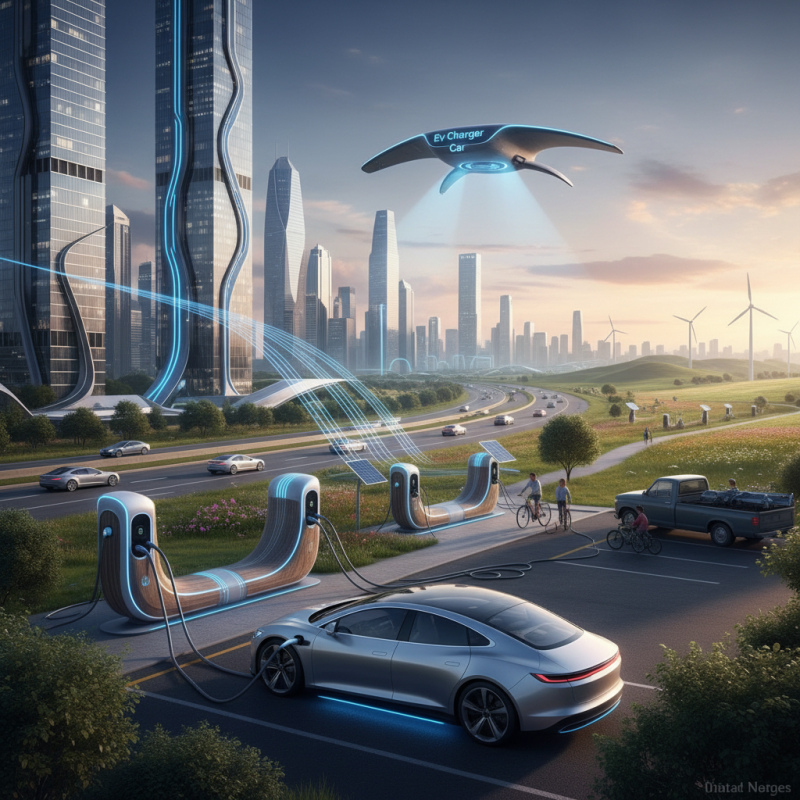
What is an Electric Vehicle Charger?
An electric vehicle (EV) charger is a device that supplies electric energy to recharge electric cars. These chargers can be found in various locations such as homes, public parking lots, and service stations. They play a crucial role in the growing use of electric vehicles. Without effective chargers, the transition to electric transportation could slow down significantly.
There are different types of EV chargers, each offering various charging speeds. Level 1 chargers use a standard household outlet and are slow. They may take up to 12 hours to fully charge a vehicle. Level 2 chargers are faster, typically found in public areas. They can charge an EV in a few hours. Then, there are DC fast chargers, which provide high-power charging, enabling rapid recharges in under an hour. However, these are less common and usually found along highways.
While the technology continues to improve, challenges exist. Not all areas have adequate charging infrastructure. Additionally, people may worry about battery life and charger compatibility. As more individuals switch to electric cars, the demand for reliable charging options will increase. Addressing these issues is key to making electric vehicle adoption more widespread.
What is an Ev Charger Car and How Does It Work? - What is an Electric Vehicle Charger?
| Charger Type | Charging Speed | Power Output | Typical Use | Notes |
| Level 1 Charger | Slow | 120V, 1.4 kW | Home Charging | Typical for residential use |
| Level 2 Charger | Moderate | 240V, 3.3 - 19.2 kW | Public & Home Charging | Commonly found in homes and public locations |
| DC Fast Charger | Fast | 480V, 50 - 350 kW | Highway Charging | Used for quick charging on long trips |
| Tesla Supercharger | Very Fast | Up to 250 kW | Cross-Country Travel | Brand-specific fast charging network |
Types of EV Chargers: Level 1, Level 2, and DC Fast Chargers
Electric vehicle (EV) chargers come in different types, primarily categorized as Level 1, Level 2, and DC fast chargers. Each type serves its purpose based on charging speed and convenience. Level 1 chargers are the slowest. They typically use a standard household outlet. Charging can take overnight or longer. This method is best for those who drive short distances daily.
Level 2 chargers are more common for home and public use. They can charge an EV in several hours. This speed is conducive for daily use and allows drivers to plug in during work or grocery shopping. However, installation can require a professional and a dedicated circuit. It's an investment worth considering.
DC fast chargers provide rapid charging, often found at service stations. They can charge an EV to 80% in about 30 minutes. This is ideal for long trips. Yet, they are less accessible in rural areas. Challenges exist in finding sufficient infrastructure. As the number of EVs increases, the demand for various chargers grows too. Understanding these options helps drivers plan their charging needs effectively.
How EV Chargers Work: The Charging Process Explained
Charging an electric vehicle (EV) may seem complex, but it follows a straightforward process. An EV charger connects to a power source, supplying electricity to the car's battery. There are different types of chargers—Level 1, Level 2, and DC Fast Charging. Level 1 chargers use standard outlets, while Level 2 and DC chargers provide higher voltage, allowing for faster charging.
When plugging in, the charger communicates with the car. This ensures the correct amount of power flows. It’s crucial to monitor the charging time. Depending on the charger type, it can take several hours to charge fully. An EV battery typically requires about 80% charge for optimal performance.
Tips: Always check your car's battery level. Charging should be done when the battery is low. Avoid letting it drop to 0%. Regular maintenance of your charger is essential. Dust and damage can reduce efficiency.
Most importantly, ensure the charger's compatibility with your vehicle. Some chargers may not function with every model. Sometimes, chargers can be temperamental. It’s wise to be prepared for unexpected downtime. Reflecting on your charging habits can help enhance your EV experience.
Key Components of an EV Charger and Their Functions
Electric Vehicle (EV) chargers play a vital role in the transition to cleaner transportation. Understanding their key components helps in better utilization and efficiency.
One main component is the charging cable. It connects the charger to the vehicle. The charging cable’s gauge and length impact charging speed. Too thick can be unwieldy; too thin can limit power delivery. A standard Level 2 charger typically uses a 40-amp cable, offering quicker charging times than Level 1 chargers.
Another critical part is the onboard charger. This device converts incoming AC electricity to DC power for battery storage. Its capacity affects charging time. A higher capacity onboard charger can reduce charging duration significantly, yet the vehicle must support the capacity. Reports indicate faster charging options are in high demand, with a 54% increase in sales of Level 2 chargers last year.
Battery management systems (BMS) are essential too. They monitor battery health and performance. A good BMS prolongs battery life, helping users avoid costly replacements. It’s crucial for EV owners to ensure their BMS is functioning well.
Tips: Always check the compatibility of your charger with your vehicle. Research local regulations regarding installation. Be mindful of where you locate your charger; accessibility is key for efficient use.
Installation and Maintenance of EV Charging Stations
Installation of EV charging stations can be straightforward, but it requires careful planning. Selecting the right location is vital. Research shows that around 80% of EV charging occurs at home. Homeowners should consider accessibility and electrical capacity before installing. Choosing a professional installer can help address these issues.
Maintenance of charging stations is often overlooked. Regular checks can ensure efficiency and longevity. A study indicated that improper maintenance can reduce charging efficiency by up to 30%. Inspecting wires, connectors, and software updates is essential. However, many users neglect these aspects. Simple tasks like cleaning dust from the charging unit can make a difference.
Finally, understanding local regulations is key. Different areas have varying rules about installing EV chargers. Some might require permits, while others have no restrictions. Educating homeowners about these nuances can prevent future complications. The push for clean energy continues to grow, making proper installation and maintenance even more critical for future success.