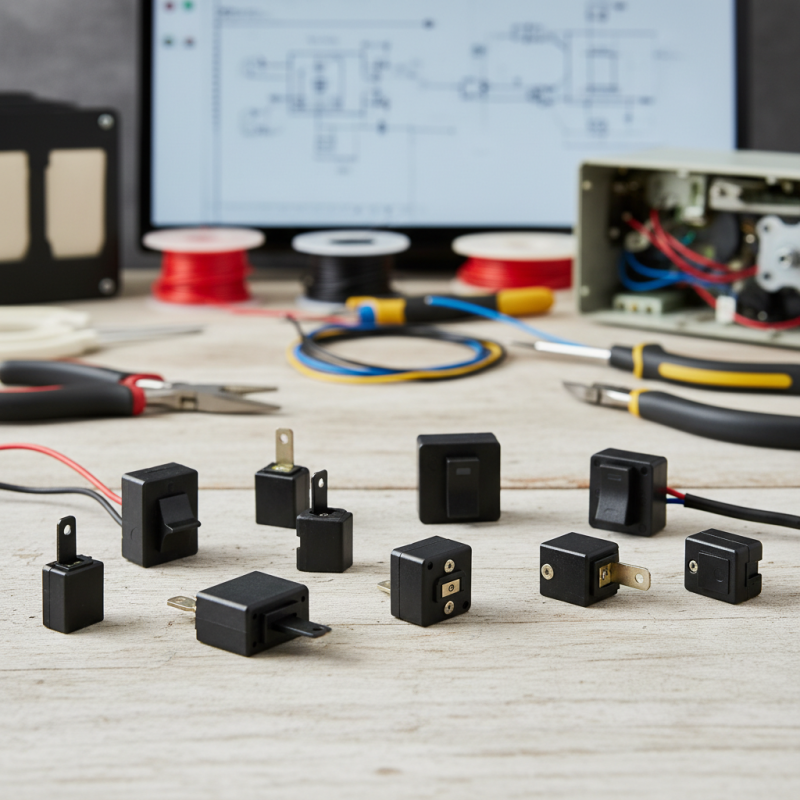
Micro Switches Tips for Choosing the Right One for Your Needs?
Choosing the right micro switches can be a daunting task. With so many options available, it is crucial to understand your specific needs. Micro switches are often used in various applications, from appliances to industrial equipment. Their reliability and performance vary greatly.
When considering micro switches, think about the operating conditions. Factors like temperature, humidity, and physical space play key roles. Each micro switch has unique specifications that must align with your project requirements. Avoid settling for the first option; that can lead to future complications.
Also, consider the installation process and long-term maintenance. Some micro switches are easier to install than others. Look for those that offer clear guidance. Remember, improper choices can lead to unexpected failures. Weighing all these factors ensures you select a micro switch that truly meets your needs.
Understanding the Basics of Micro Switches and Their Applications
Micro switches are small devices that play a crucial role in various applications. They are known for their reliability and quick operation. These switches are commonly found in household appliances, automotive systems, and industrial machines. Understanding their working mechanism helps in selecting the right micro switch for a specific need.
When choosing a micro switch, consider its design and features. The actuator type varies; some are lever-operated, while others might use buttons. Each design has its unique advantages and potential downsides. For example, lever types may offer more mechanical advantage but can be bulkier. Understand the space constraints of your application.
Furthermore, pay attention to the electrical specifications. Micro switches come with different current and voltage ratings. Using an inappropriate switch can lead to failures or unsafe conditions. Sometimes, even experienced users overlook this. Evaluating the environmental factors is also vital. High humidity or extreme temperatures can affect performance. Consider all these elements to ensure the chosen micro switch meets your needs effectively.
Identifying Your Specific Needs for Micro Switch Functionality
When selecting the right micro switch, understanding your specific needs is crucial. Micro switches are vital in various applications, from appliances to industrial machines. In fact, the global micro switch market was valued at approximately $1.7 billion in 2022 and is expected to grow. This growth emphasizes the importance of pinpointing your functional requirements.
Identifying how you will use the micro switch can guide your choice. Will it face harsh environments? If so, look for switches with robust housing and sealing. A report by MarketsandMarkets indicates that dust and moisture resistance are significant factors for many users. Consider the type of actuation you need. Some applications require tactile feedback, while others may benefit from a more silent operation. Knowing these details can help narrow down the selection.
However, it’s easy to overlook some aspects. Users often forget to evaluate voltage ratings and current requirements. This oversight can result in unfavorable performance. Additionally, consider the lifespan of the switch. Micro switches generally last millions of cycles, but wear can be unpredictable. Reflecting on your operational conditions will enhance your decision-making process.
Micro Switches Functionality Comparison
Evaluating Different Types of Micro Switches Available on the Market
When evaluating different types of micro switches, understanding their unique features is crucial. Micro switches are essential components in numerous applications. They come in various forms, such as snap-action, momentary, and latching types. A report by Research and Markets noted that the global micro switch market was valued at approximately $2 billion in 2020 and is expected to grow steadily due to increased automation.
In selecting a micro switch, consider factors like operating force, travel distance, and durability. For example, a snap-action switch typically requires less force to actuate and offers a quick response. Interestingly, while many users prioritize longevity, some switches may fail under extreme conditions. The average lifespan of a high-quality micro switch is often rated between 1 million and 10 million cycles, but real-world tests sometimes reveal shortcomings in extreme environments.
Moreover, understanding the specific requirements of your application is vital. Heavy-duty applications might need a higher specification switch. Research from IDTechEx suggests that cost, performance, and safety standards should always be in focus. For instance, a switch with a rating of IP67 offers excellent dust and water resistance but might be more expensive. This complexity can make choosing the right switch daunting, requiring careful consideration of all variables to ensure optimal performance.
Key Features to Consider When Choosing a Micro Switch
Choosing the right micro switch can be tricky. Several key features can guide your decision. One important aspect is the actuation force. This is the amount of pressure needed to trigger the switch. A lighter force is ideal for delicate applications. Conversely, a heavier actuation force provides better tactile feedback in robust environments.
Consider the switch's life cycle as well. High-quality micro switches can endure millions of cycles. This durability matters for long-term projects. Look for materials that resist wear and tear. These characteristics ensure reliability, especially in industrial settings.
Think about the environment where the switch will be used. Do you need it to resist moisture or dust? A sealed switch may be essential for such conditions. Different packages also fit varying space limitations. Evaluate dimensions carefully to avoid unexpected challenges later.
When selecting, test prototypes before the final purchase. This allows you to assess performance directly. Not every switch will meet your needs perfectly. It's all about finding a balance between features and your specific requirements.
Comparing Cost and Quality in Micro Switch Selection
When selecting micro switches, cost and quality are crucial factors. High-quality micro switches may come with a steeper price tag, which can be daunting. However, lower-priced switches often compromise performance. A well-made switch lasts longer, minimizing replacement costs over time. The initial investment can lead to savings, but not everyone sees this at first glance.
Consider the intended application. Some switches require high precision. Others only need basic functionality. It’s easy to overlook specific requirements in a rush. For example, a switch rated for low voltage might fail in a higher voltage setting. Testing different models can reveal surprising flaws.
In the end, it’s about finding a balance. Sometimes, a lower-cost option may actually serve your needs adequately. Yet, investing in a trusted product can prevent future headaches. Regular quality checks will ensure longevity. Explore various options, but stay focused on performance and durability. This reflection on choice is essential for success.