How to Choose a High Capacity Lithium Battery for Your Needs?
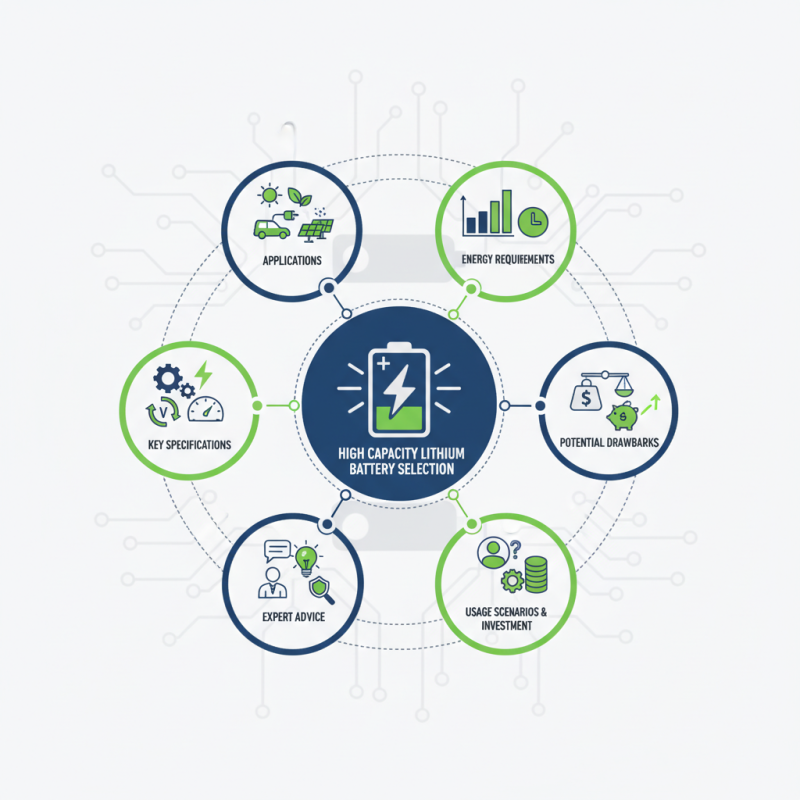
Choosing the right high capacity lithium battery can be challenging. With many options on the market, understanding your specific needs is crucial. High capacity lithium batteries are essential for various applications, from powering electric vehicles to supporting renewable energy solutions.
Consider the energy requirements of your devices. A battery with a high capacity can provide longer usage times. It is important to examine specifications carefully. Factors like voltage, cycle life, and charging speed must play a role in your decision. Yet, don't overlook potential drawbacks. Some high capacity batteries may be bulkier or more expensive.
Seek advice from trusted sources or industry experts. Knowledge about brands and technologies makes a difference. Always prioritize reliability and safety in your selection. Reflect on your unique usage scenarios, as this can lead you to the right choice. High capacity lithium batteries can be a significant investment, so take your time.
Understanding the Basics of Lithium Battery Technology
When choosing a high-capacity lithium battery, it's crucial to understand the fundamentals of lithium battery technology. Lithium batteries have gained popularity due to their efficiency and energy density. However, users often overlook essential technical specifications.
Lithium-ion and lithium polymer batteries vary significantly in design and performance. For instance, lithium-ion batteries tend to be more robust but heavier. In contrast, lithium polymer options are lighter and more flexible in shape. Knowing which type fits your needs can make a significant difference.
Battery life is measured in charge cycles. Each cycle reduces capacity slightly. Keep in mind that environmental factors like temperature and humidity impact performance. Users often underestimate this aspect, leading to dissatisfaction. Reflecting on expected usage in different conditions is essential for making an informed choice.
How to Choose a High Capacity Lithium Battery for Your Needs?
| Battery Type |
Capacity (Ah) |
Voltage (V) |
Weight (kg) |
Cycle Life |
Application |
| Lithium Iron Phosphate (LiFePO4) |
100 |
12 |
15 |
2000+ |
Solar Energy Storage |
| Lithium Nickel Manganese Cobalt (NMC) |
80 |
36 |
20 |
1000+ |
Electric Vehicles |
| Lithium Cobalt Oxide (LCO) |
40 |
3.7 |
0.5 |
500+ |
Smartphones |
| Lithium Manganese Oxide (LMO) |
50 |
24 |
10 |
1000+ |
Power Tools |
Factors to Consider When Choosing High Capacity Lithium Batteries
Choosing the right high-capacity lithium battery requires attention to several critical factors. First, examine the battery's energy density. High-capacity lithium batteries typically have energy densities ranging from 150 to 250 Wh/kg. This means they can store more energy relative to their weight, which is vital for portable applications.
Consider the cycle life of the battery as well. Most high-capacity lithium batteries can endure between 500 and 3,000 charge-discharge cycles. This lifespan is essential for long-term investment. Research indicates that batteries with higher cycle life ultimately save costs over time, as they require fewer replacements.
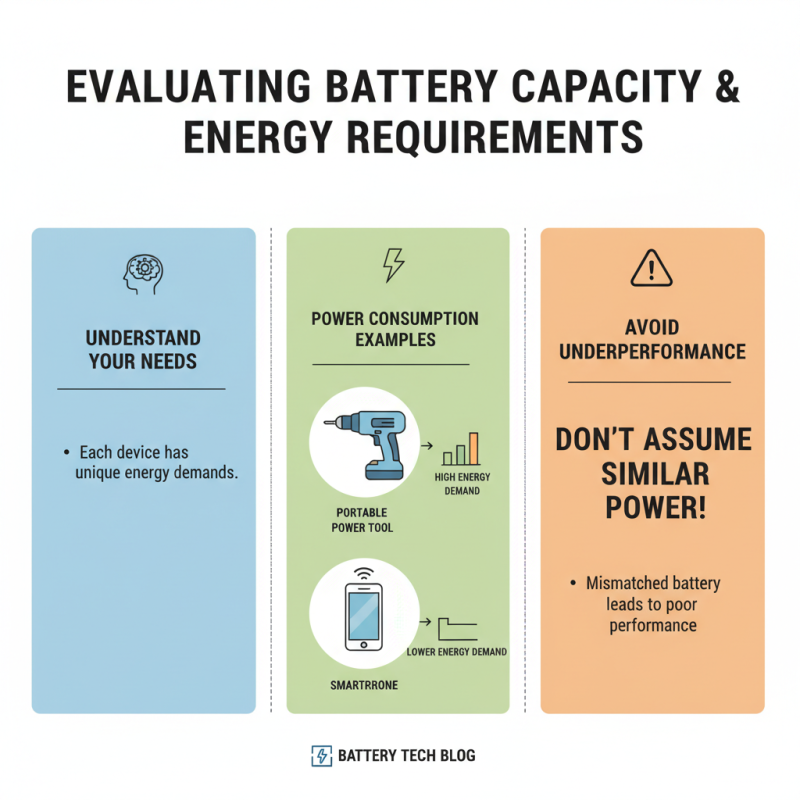
**Tips:** Always check the discharge rate to ensure it matches your device's requirements. Understanding whether it functions under constant or pulsed loads is crucial. Assessing thermal stability can also prevent potential safety risks.
It’s also important to evaluate the battery's charging characteristics. Some batteries charge quickly but may degrade faster over time. Balancing fast charging with longevity can be tricky. Look for batteries that provide a balance between these two aspects, reducing the need for frequent replacements.
In choosing a battery, consider your application’s specific needs. It’s not merely about capacity; efficiency, safety, and reliability matter too. This decision can impact both performance and expenses in the long run.
Battery Capacity Comparison
Comparing Different Types of Lithium Batteries
When selecting a high-capacity lithium battery, consider the various types available. Lithium-ion batteries are widely used due to their efficiency. They offer a good balance between capacity and weight. These batteries are found in laptops and smartphones. However, their life span may be limited depending on usage.
Lithium polymer batteries are another option. They provide lightweight solutions and come in flexible shapes. This versatility makes them popular in drones and RC vehicles. Yet, they might require more careful handling and charging practices.
Another type is lithium iron phosphate (LiFePO4) batteries. They provide a longer cycle life and enhanced safety. However, they typically have a lower energy density, which may not suit all applications. While options exist, each type has its trade-offs. It’s essential to assess your specific needs carefully. This process often reveals some surprising considerations.
Safety and Maintenance Tips for High Capacity Lithium Batteries
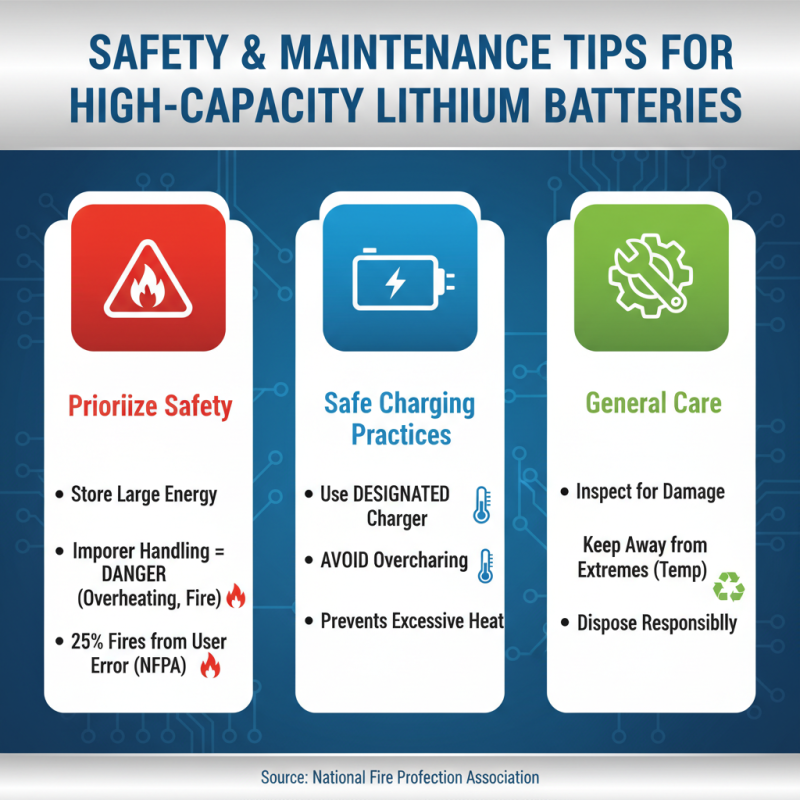
When it comes to high capacity lithium batteries, safety is paramount. These batteries can store large amounts of energy, but improper handling can lead to dangers like overheating or even fires. According to the National Fire Protection Association, roughly 25% of reported battery fires are due to user error. Hence, knowledge of safe charging practices is crucial. Always use a charger designed for your specific battery type. Avoid overcharging, which can heat the battery excessively.
Regular maintenance is also vital for longevity. Experts recommend checking battery health periodically. A decrease in voltage or performance can indicate underlying issues. Keeping terminals clean helps ensure efficient power transfer. Additionally, storing batteries in a cool, dry place reduces the risk of damage. The International Electrotechnical Commission emphasizes that temperature fluctuations can cause battery degradation.
Most importantly, always follow guidelines provided in the battery's manual. Each model has unique specifications. Ignoring these instructions can lead to inefficiencies or dangers. High capacity lithium batteries are powerful, but they require responsible use. Understanding safety protocols ensures they serve you well for a long time.