How to Choose the Best Portable EV Charger at the 2026 Canton Fair?
The 2026 Canton Fair will showcase a range of innovations, including Portable EV Chargers. As electric vehicles gain popularity, these chargers are becoming essential. With advancements in technology, selecting the best charger is crucial for efficient operations.
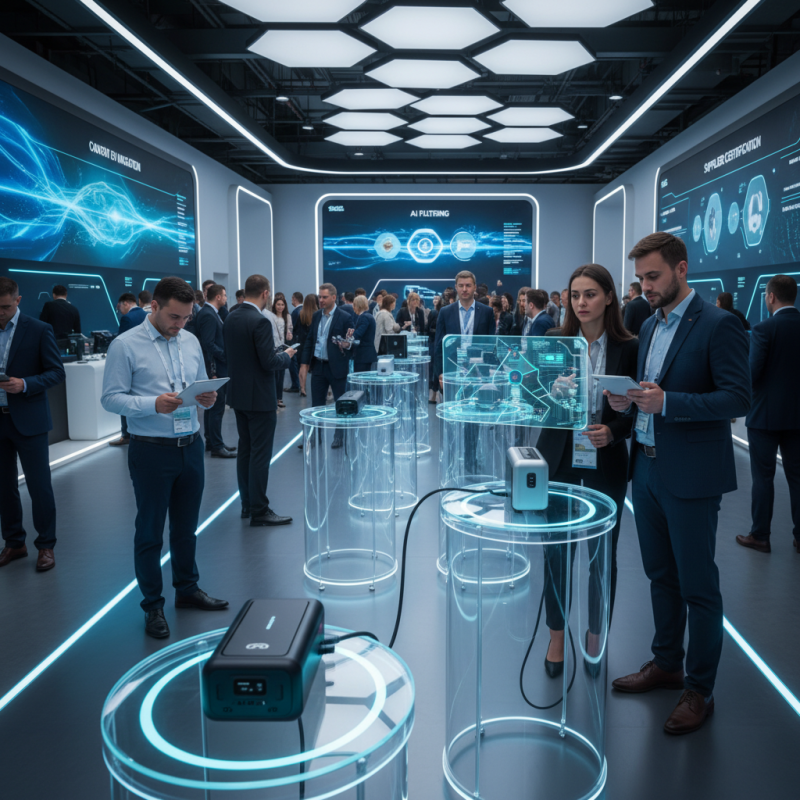
The fair, spanning from April 15 to May 5, features cutting-edge manufacturing and electronics. Smart navigation and AI will aid buyers. This allows quick filtering of suppliers with necessary certifications like ISO and CE. Efficient navigation is vital in such a vast venue.
However, buyers must be cautious. Not all Portable EV Chargers are created equal. Some may not meet your specific needs or quality standards. It’s important to consider power output, compatibility, and safety features. Evaluating multiple options can help you avoid potential regrets later on. This fair presents a unique opportunity to make informed decisions.
Factors to Consider When Selecting Portable EV Chargers at Canton Fair 2026
When selecting portable EV chargers at the 2026 Canton Fair, consider specific factors carefully. Battery capacity is crucial. Aim for a charger that supports a higher kWh rating. Many consumers seek chargers with at least 10 kWh capacity. This capacity ensures faster charging times for most electric vehicles.
Charging speed is another key aspect. Look for levels of charging, such as Level 2 and Level 3 options. Level 2 chargers are typical but Level 3 can significantly reduce charging time. The differences in charging speeds can affect user experience greatly. Review consumer feedback on charging speeds to avoid poor purchases.
Tips: Check for compatibility. Not all chargers work with every model. Verify the connector types and protocols before you buy. Also, examine portability features. Lightweight designs and compact sizes matter, especially for users on the go. This aspect often gets overlooked, leading to inconvenience later.
Be mindful of safety certifications. A product may look good, but without the right certifications, it might be unsafe to use. The absence of standard certifications can lead to significant issues, especially in high-demand conditions. Always inquire about warranty options, as they reflect the manufacturer's confidence in their product.
Comparative Analysis of Charging Speeds: Level 1 vs. Level 2 Portable Chargers
When exploring the best portable EV chargers at the 2026 Canton Fair, understanding charging speeds is crucial. Level 1 chargers offer basic functionality. They use a standard 120V outlet. This can take over 8 hours to charge an electric vehicle from empty. It's convenient but not fast. Many users find this speed insufficient for daily needs.
On the other hand, Level 2 chargers are more efficient. They operate on 240V and can significantly reduce charging time. Depending on the vehicle, they can deliver a full charge in 4 to 6 hours. However, not all locations provide Level 2 options. Users might face challenges finding suitable outlets. This might lead to frustration, especially during busy travel periods.
Choosing the right charger involves weighing these speeds against personal needs. Efficiency is key, yet accessibility remains a concern. Some locations are still catching up with advanced charging options. It’s essential for users to assess their habits and preferences carefully. Can you wait longer for a Level 1 charge, or is speed your priority?
Comparative Analysis of Charging Speeds: Level 1 vs. Level 2 Portable Chargers
Understanding Compatibility: Ensuring Chargers Work with Your EV Model
Choosing the right portable EV charger is crucial for electric vehicle owners. Compatibility with your specific EV model is paramount. The market has grown, with many new models emerging. Yet, not all chargers work with every vehicle. A mismatch can result in slower charging or, in worst-case scenarios, damage.
According to a recent industry report, around 30% of EV buyers face compatibility issues. This often stems from the charging connector type. Many models require a specific type of connector to function properly. The Type 1 and Type 2 connectors dominate the market, but some brands have unique designs. Always verify the charging specifications of your vehicle.
Furthermore, consider the power output of the charger. Not all chargers deliver the same speed. Some EV models can handle up to 150 kW, while others may only require 7 kW. This difference can lead to confusion. A lower-powered charger may charge your EV, but it will take much longer. Reflect on your driving habits and charging needs. If you choose the wrong charger, it can hinder your EV experience.
How to Choose the Best Portable EV Charger at the 2026 Canton Fair? - Understanding Compatibility: Ensuring Chargers Work with Your EV Model
| Charger Type | Power Output (kW) | Connector Type | Battery Compatibility | Weight (lbs) | Price ($) |
| Level 1 Charger | 1.4 | NEMA 5-15 | Compatible with all EVs | 13 | 120 |
| Level 2 Charger | 7.2 | J1772 | Compatible with most EVs | 25 | 300 |
| Portable DC Charger | 50 | CCS/CHAdeMO | Compatible with fast charging EVs | 40 | 1500 |
| Smart Charger | 11 | J1772 | Compatible with all modern EVs | 30 | 450 |
Examining Safety Standards and Certifications for Portable EV Chargers
When choosing a portable EV charger, safety standards and certifications should be your top priority. Not all chargers are made equal, and understanding these standards can save you from potential hazards. Look for chargers that comply with recognized safety regulations. These certifications assure you that the product has been tested for reliability and safety.
Tips: Check for the UL or CE mark. This indicates that the charger meets specific safety criteria. Additionally, consider chargers with overcurrent protection. This feature will prevent overheating and electrical hazards.
Quality is often reflected in design. Some portable chargers provide robust casings to withstand impacts. Others may have features that safeguard against water and dust ingress. Flimsy chargers usually compromise safety. It’s crucial to assess materials before making a purchase.
Tips: Read user reviews to gauge the product's real-world performance. Look for feedback on durability and safety. Sometimes, manufacturers neglect to mention limitations. Being informed can protect you from disappointments. Don't just pick the first charger you see; take your time to evaluate.
Evaluating Price Trends and Market Share of Leading Portable Charger Brands
When attending the 2026 Canton Fair, evaluating price trends for portable EV chargers will be crucial. Pricing reflects both demand and technology advancements. Analyzing pricing over time can provide insight into market dynamics. Portable chargers vary significantly in price. Some are surprisingly affordable, while others can be quite expensive.
Market share is another key aspect to consider. Understanding which brands dominate the landscape helps in making informed choices. Many brands claim quality, but sales figures tell a different story. Buyer reviews may lack objectivity, highlighting the need for personal research.
Pricing strategies can shift based on competition and supplier costs. This can affect your budget and choice. Keep an eye on promotions and new entries in the market. Some emerging brands may offer innovative features at lower price points. Yet, greater affordability might come at the cost of quality, leading to buyer regret. Balancing price and performance requires careful thought.