How to Choose the Best Ground Rod Copper for Your Needs?
Selecting the right Ground Rod Copper is crucial for effective grounding systems. According to electrical expert John Smith, "The quality of your ground rod directly impacts performance." His insights emphasize the importance of understanding materials and specifications when making a choice.
Ground Rod Copper is known for its superior conductivity and corrosion resistance. It is essential for ensuring safety in electrical systems. However, not all copper rods are created equal. Factors such as length, diameter, and coating can greatly affect their effectiveness. Many overlook these details, leading to subpar installations.
Investing in Ground Rod Copper demands careful consideration. An inferior choice can result in failures and safety hazards. Balancing cost with quality is often challenging. In this evolving industry, it's vital to stay informed about new standards and innovations. Reflecting on your choices today can prevent issues tomorrow.
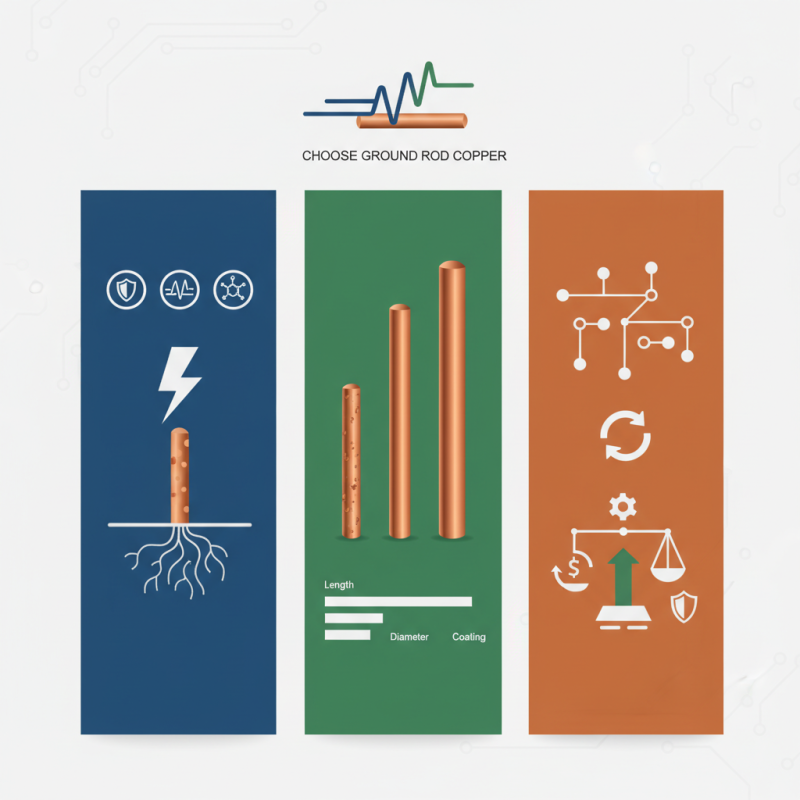
Understanding Ground Rod Copper: Types and Specifications
When selecting a ground rod copper, understanding its types and specifications is crucial. Ground rods typically come in copper-clad and solid copper varieties. Copper-clad rods offer a cost-effective option while still maintaining good conductivity. They have a steel core coated with copper, providing durability alongside conductivity. Solid Copper Rods are more expensive, but they excel in corrosion resistance and longevity. This makes them ideal for critical applications.
Another important consideration is the rod's diameter and length. Common diameters range from 5/8 inch to 3/4 inch. The length often varies, but standard sizes include 8 to 10 feet. The deeper the rod is installed, the better the connection to the earth. Soil type also influences performance. Rocky or dry soils can reduce effectiveness.
It's important to recognize that not every ground rod suits every situation. Some installations may require multiple rods for optimal performance. Regular inspections are necessary to ensure they maintain effectiveness. Ground rod performance can degrade over time. Knowing when to replace them is essential for safety and efficiency. Balancing costs and performance can be challenging. Consider consulting with an expert for tailored solutions.
Factors to Consider When Selecting a Ground Rod
Choosing the right ground rod copper is vital for effective grounding. Several factors influence this decision. First, understand the material. Copper is an excellent conductor, yet the purity matters. Higher purity means better performance over time. The thickness of the rod also plays a role. A thicker rod typically offers enhanced durability and resistance to corrosion.
Now, let’s consider the length of the ground rod. Longer rods can reach deeper into the ground, which may be beneficial in certain soils. Testing soil conditions is essential. Different terrains affect grounding performance. Knowing your local soil type helps inform your decision.
Finally, evaluate installation requirements. A rod that’s easy to install can save time and effort. Think about the toolset you have. Not all tools will fit. Ground rods with pre-drilled holes or convenient shapes might streamline installation. Reflect on your preferences and needs. It's not just about performance; it's also about ease and efficiency in your specific situation.
How to Choose the Best Ground Rod Copper for Your Needs? - Factors to Consider When Selecting a Ground Rod
| Ground Rod Type | Diameter (inches) | Length (feet) | Material | Corrosion Resistance | Typical Use |
| Copper Bonded | 0.5 | 8 | Copper | High | Residential |
| Solid Copper | 0.75 | 10 | Copper | Very High | Commercial |
| Galvanized Steel | 0.625 | 8 | Steel | Moderate | Industrial |
| Copper Clad | 0.5 | 6 | Copper | High | Telecommunications |
| Tinned Copper | 0.625 | 10 | Copper | High | Marine Applications |
Comparison of Copper Ground Rods vs. Other Materials
When considering ground rods, copper is a popular choice. It offers excellent conductivity and durability. However, it’s essential to compare copper with other materials, such as aluminum and galvanized steel. Each material has distinct advantages and drawbacks.
Copper ground rods are highly effective in providing a solid grounding system. They have a long lifespan and resist corrosion well, especially in harsh environments. In contrast, aluminum rods are lighter and less expensive, but they may not offer the same longevity. Galvanized steel is another option, often more durable in extreme conditions, yet it can corrode over time, particularly if the coating wears away.
The choice of material can significantly impact the effectiveness of your grounding system. Reflect on your specific needs. If you prioritize long-term performance, copper might be best. But, if costs are a concern, alternatives exist worth considering. Each material poses questions on efficiency and installation. Conducting thorough research ensures you make an informed decision.
Installation Guidelines for Ground Rods
When installing ground rods, proper guidelines ensure safety and effectiveness. The National Electrical Code (NEC) recommends grounding systems to mitigate electrical hazards. A common depth for grounding rods is at least 8 feet. This depth helps achieve better conductivity with the earth.
The installation method matters significantly. Use a driven ground rod instead of a buried one for optimal performance. A driven rod offers lower resistance, often at or below 25 ohms, suitable for most systems. Furthermore, ensure the rod is made of high-quality copper, as it provides excellent conductivity and resistance to corrosion. Industry reports highlight that copper-grounded systems have a longer lifespan compared to galvanized alternatives.
Regular maintenance of grounding systems is essential. Periodically check connections and rod integrity to avoid deterioration. Use a ground resistance tester to ensure compliance with safety standards. Research shows that up to 50% of grounding systems fail simply due to poor maintenance practices. Addressing these issues can enhance safety, reflecting the critical nature of intentional installation and upkeep.
Comparison of Ground Rod Copper Properties
Maintenance Tips for Optimal Performance of Ground Rods
Ground rods play a crucial role in electrical systems, offering essential grounding and grounding for safety. Maintaining these rods is vital for ensuring their long-lasting performance. The National Electrical Code emphasizes regular inspection and maintenance to minimize failures, as corrosion can reduce conductivity over time. A recent industry report highlighted that improper maintenance can lead to a 30% reduction in grounding performance.
Regular checks are essential. Visually inspect the ground rod for signs of corrosion or damage. If you find oxidation, it may be necessary to replace the rod or apply conductive grease. Test the ground resistance periodically; values above 25 ohms may indicate an issue. Use a clamp meter to measure the resistance accurately. This will help you determine if the ground rod is functioning correctly.
Soil conditions affect ground rod performance too. Conduct soil resistivity tests to identify areas with high resistance. Dry, rocky, or clay-heavy soils can increase resistance. In such cases, consider using multiple rods or adding a conductive backfill to improve grounding. Keep in mind that grounding systems require attention. Neglect can lead to potential equipment failures and safety hazards. Regularly assess and adjust your systems to maintain optimal performance.