Choosing a power bank is no longer about finding the largest number printed on its shell. Global buyers need dependable lithium battery power, practical charging speed, and safe everyday handling. A 20,000mAh model may seem ideal, yet its real output depends on voltage conversion, cable quality, and charging efficiency. That difference matters when a phone must survive a delayed flight or a long train journey.
Battery pioneer and Nobel Prize winner Professor John B. Goodenough once said, “The battery is the key to the future.” His words still fit modern portable power. However, no power bank is perfect. Some deliver excellent capacity but feel heavy in a small backpack. Others support fast USB-C charging but offer limited ports or weaker thermal control. Buyers must accept trade-offs.
This guide examines the 10 Best Lithium Battery Power Banks for Global Buyers through practical, evidence-based criteria. We consider usable capacity, USB Power Delivery, recharge time, cell quality, heat management, durability, and warranty support. We also examine travel convenience, regional plug compatibility, and current airline safety requirements. Those rules can vary, so travelers should verify them before departure.
Real-world testing matters. A power bank resting in a hot car behaves differently from one used indoors. A cold airport can reduce performance too. We will not treat impressive packaging as proof of reliability. Some ratings may change as newer models improve. That is worth admitting. The best choice depends on your devices, travel habits, budget, and tolerance for extra weight.
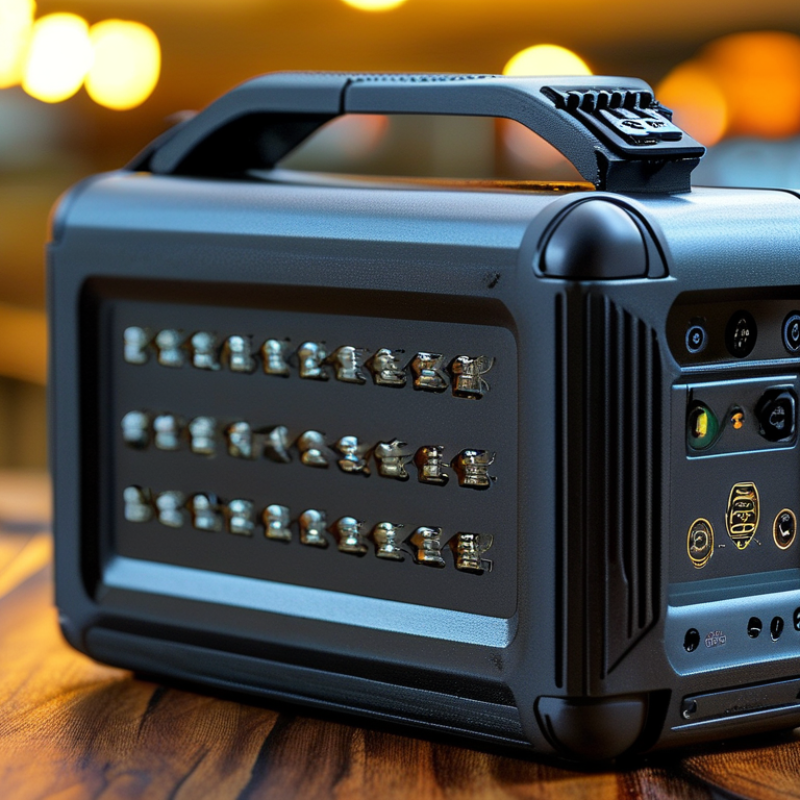
A suitable lithium battery power bank must work across borders, sockets, climates, and travel rules. Capacity matters, but watt-hours matter more for air travel. Buyers should check the printed Wh rating and confirm current airline limits before packing. Many carriers use 100 Wh as a common threshold, yet policies can differ. Do not rely on a marketplace description alone. Read the label. A clear model number, cell chemistry, rated capacity, and input/output details make verification easier. USB-C output with reliable power negotiation can charge phones, tablets, and some laptops. Higher wattage helps only when the cable and device support it.
Safety evidence deserves close attention. Look for traceable test reports, including UN38.3 transport testing and relevant battery safety standards. Compliance marks vary by region, so vague claims should invite questions. Useful protections include overcharge, over-discharge, short-circuit, and temperature control. Heat is a warning. A power bank left inside a hot vehicle may age quickly or become unsafe. Actual performance also drops in freezing conditions.
Global buyers should check whether the wall charger accepts 100–240 V and whether the correct plug adapter is included. Clear instructions, local-language warnings, warranty terms, and accessible service are practical signs of a responsible seller. During evaluation, measure real output instead of trusting the printed capacity. Numbers can disappoint. I would also inspect the cable, connector fit, recharge time, and surface temperature. No checklist is perfect, but these details reveal whether a power bank is genuinely prepared for international use.
Comparison of representative lithium-ion power-bank configurations selected for capacity, portability, charging performance, travel practicality, and international usability.
| Rank | Power-Bank Profile | Nominal Capacity | Approx. Energy | Rated Output | Ports | Approx. Weight | Typical Size | Air-Travel Position | Global-Buyer Suitability |
|---|---|---|---|---|---|---|---|---|---|
| 1 | Compact everyday model | 5,000 mAh | 18.5 Wh | 10 W | USB-C in/out | 110–130 g | 90 × 63 × 15 mm | Generally suitable | Best for phones, emergency charging, and buyers prioritizing low weight and easy portability. |
| 2 | Slim phone-charging model | 10,000 mAh | 37 Wh | 18 W | USB-C in/out, USB-A out | 180–220 g | 140 × 68 × 16 mm | Generally suitable | A balanced option for international commuters needing one to two smartphone recharges. |
| 3 | USB-C fast-charge model | 10,000 mAh | 37 Wh | 30 W USB-C PD | USB-C in/out, USB-A out | 210–250 g | 145 × 70 × 17 mm | Generally suitable | Suitable for phones, tablets, handheld consoles, and other USB-C devices requiring faster charging. |
| 4 | High-capacity travel model | 20,000 mAh | 74 Wh | 18 W | USB-C in/out, 2 × USB-A out | 330–380 g | 150 × 70 × 28 mm | Generally suitable | Provides multiple phone charges while remaining below the common 100 Wh airline threshold. |
| 5 | 20,000 mAh USB-C PD model | 20,000 mAh | 74 Wh | 30 W USB-C PD | USB-C in/out, USB-A out | 350–410 g | 155 × 72 × 29 mm | Generally suitable | A practical international choice for phones, tablets, cameras, and USB-C accessories. |
| 6 | Multi-device 45 W model | 20,000 mAh | 74 Wh | 45 W USB-C PD | USB-C in/out, USB-A out | 400–470 g | 160 × 75 × 30 mm | Generally suitable | Useful for tablets and selected low-power laptops; the connected device must support USB-C charging. |
| 7 | High-output laptop model | 20,000 mAh | 74 Wh | 65 W USB-C PD | USB-C in/out, USB-A out | 430–520 g | 160 × 75 × 32 mm | Generally suitable | Designed for compatible USB-C laptops and high-demand tablets; verify the laptop's required wattage. |
| 8 | Extended-capacity model | 26,800 mAh | 99.16 Wh | 45 W USB-C PD | USB-C in/out, USB-A out | 500–600 g | 180 × 80 × 30 mm | Check airline rules | Near the common 100 Wh limit; carry-on approval and airline-specific restrictions should be confirmed before travel. |
| 9 | Built-in-cable convenience model | 10,000 mAh | 37 Wh | 20 W USB-C PD | Built-in USB-C cable, USB-C port | 230–290 g | 105 × 68 × 28 mm | Generally suitable | Convenient for travelers who want fewer accessories; confirm cable compatibility with local devices. |
| 10 | Wireless and wired charging model | 10,000 mAh | 37 Wh | 20 W wired; 7.5–15 W wireless | USB-C in/out, wireless charging surface | 240–320 g | 105 × 70 × 22 mm | Generally suitable | Suitable for compatible wireless-charging phones, although wired charging is usually faster and more efficient. |